
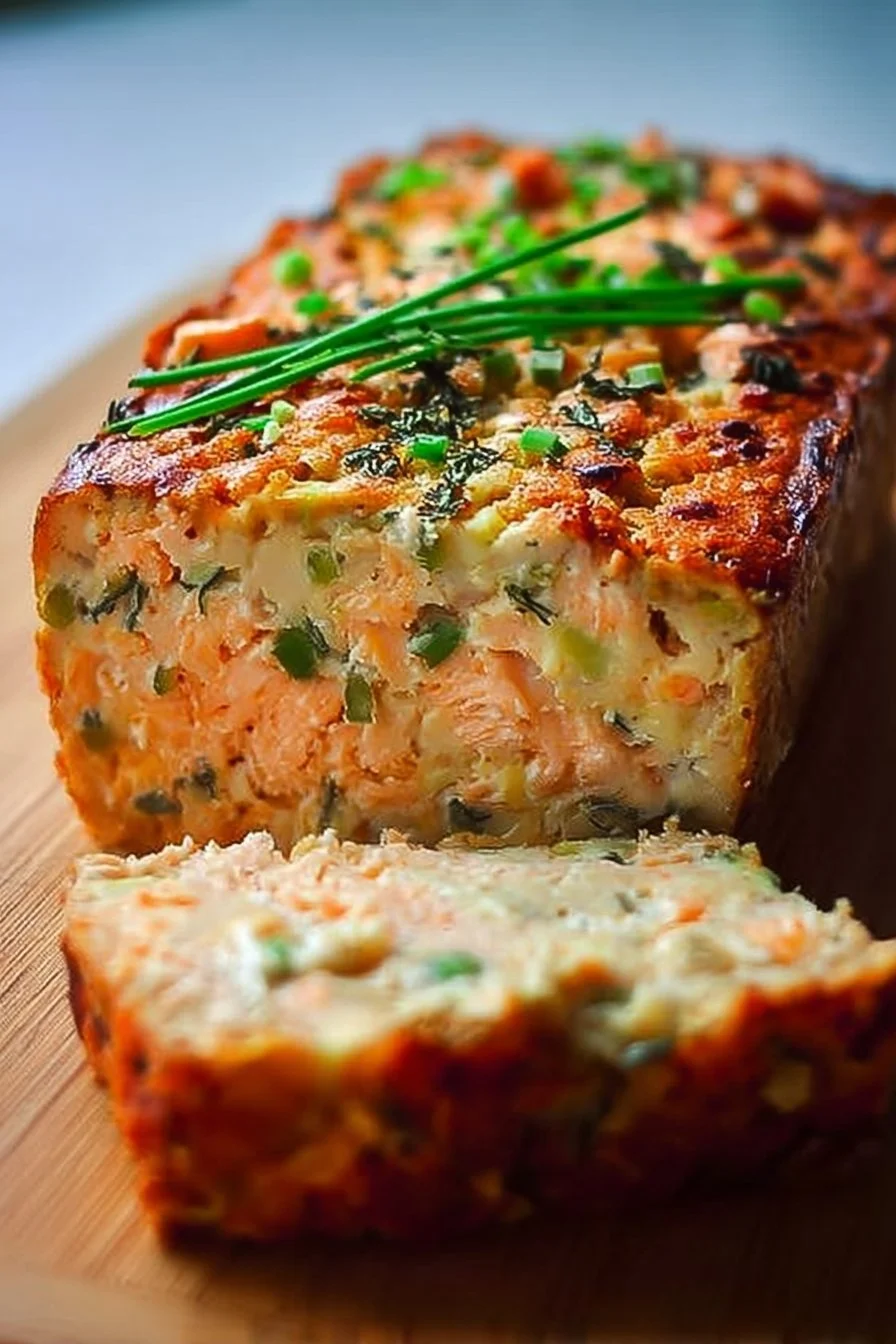
Salmon loaf is a simple, savory comfort food that turns a single can of salmon into a hearty main in under an hour. It’s one of those recipes I reach for when I want something homey, protein-rich, and budget-friendly without a lot of fuss—perfect for a weeknight dinner, a potluck contribution, or sliced cold for sandwiches the next day. If you enjoy easy canned-salmon dinners, try a brighter, grill-forward option like BBQ salmon tacos with mango slaw for another way to use cooked salmon.
Why you’ll love this dish
This loaf hits a sweet spot: simple pantry ingredients, forgiving technique, and comforting texture. It browns nicely on top and slices into neat servings for family meals or gatherings. It’s also a great way to stretch protein—one can makes a compact loaf that goes a long way.
“We served this warm with lemon wedges—everyone asked for seconds and called it ‘old-fashioned comfort food.’” — home cook review
Reasons to try it:
- Budget-friendly: canned salmon is inexpensive but nutritious.
- Time-efficient: minimal prep, one pan, under an hour total.
- Kid-approved: mild flavor and familiar loaf shape.
- Versatile: serves hot or cold, can be dressed up or kept simple.
How this recipe comes together
At a glance: drain the canned salmon and flake it, mix with breadcrumbs, eggs, chopped onion, dill and lemon, press into a loaf pan, and bake until set and golden. The binding ingredients (eggs and breadcrumbs) hold everything together while the lemon and dill brighten the flavor. You’ll want to avoid overmixing to keep some flake and texture in the finished loaf.
What you’ll need
- 1 can (14.75 oz) high-quality canned salmon, drained
- 1 cup plain breadcrumbs (panko or regular)
- 2 large eggs
- 1 medium onion, finely chopped
- 2 tablespoons fresh dill (or 1 tablespoon dried dill)
- 2 tablespoons lemon juice
- Salt and pepper to taste
Notes and substitutions:
- Use panko for a lighter texture; regular breadcrumbs will give a denser loaf.
- If you prefer a creamier binder, replace one egg with 2 tablespoons mayonnaise or Greek yogurt.
- For gluten-free, swap in GF breadcrumbs or crushed GF crackers.
- Tiny soft bones in canned salmon are edible and calcium-rich; remove large rib bones if desired.
Step-by-step instructions
- Preheat the oven to 350°F (175°C). Grease a loaf pan or line it with parchment paper.
- Drain the canned salmon thoroughly and transfer to a large bowl. Flake lightly with a fork.
- Add the breadcrumbs, finely chopped onion, eggs, dill, lemon juice, salt, and pepper. Mix gently until combined—stop when there are no large dry pockets. Overmixing makes the loaf dense.
- Press the mixture evenly into the prepared loaf pan. Smooth the top with the back of a spoon or your hands.
- Bake on the middle rack for 45–50 minutes, until the top is golden and the loaf feels firm to the touch. An instant-read thermometer inserted in the center should read about 145°F for cooked fish safety and optimal texture.
- Let the loaf cool in the pan for 10 minutes, then transfer to a wire rack. Slice and serve warm or at room temperature.
Best ways to enjoy it
Serve slices with lemon wedges and a crisp green salad for an easy weeknight supper. It’s also excellent chilled for sandwiches or served with remoulade or tartar sauce alongside steamed vegetables. For a contrast in texture, try a plated pairing: slices of salmon loaf with roasted new potatoes and a dill-yogurt sauce. For a completely different accompaniment that plays with crispy textures, try pairing a slice with crispy rice salmon as a playful, textural combo.
Wine and beverage pairings:
- Light white wines (Sauvignon Blanc, Pinot Grigio) or a crisp cider work well.
- For nonalcoholic options, sparkling water with lemon or an herb-infused iced tea complements the herbs and citrus.
Storage and reheating tips
- Refrigerator: Cool the loaf to room temperature, then store tightly covered or in an airtight container for up to 3–4 days.
- Freezer: Slice and wrap individual portions in plastic wrap and foil, or freeze the whole loaf in a sealed container for up to 2 months. Thaw overnight in the refrigerator before reheating.
- Reheating: Warm slices in a 325°F (160°C) oven for 10–15 minutes until heated through. Microwaving is faster (about 1–2 minutes per slice), but may soften the crust—cover loosely to retain moisture.
Food safety note: Because this is a cooked fish product, follow the 2-hour rule for leaving at room temperature (shorter in warm conditions) and reheat leftovers to at least 165°F when serving family-style.
Pro chef tips
- Drain the salmon well: excess liquid will make the mixture soggy. Press the drained salmon lightly in a sieve or paper towel.
- Keep some texture: don’t over-process or overmix; small flakes give a nicer bite. If you like a smoother loaf, pulse the salmon lightly in a food processor before mixing.
- Onion options: swap raw onion for sautéed sweet onion if you want a milder, sweeter profile.
- Browning: for a deeper crust, place the loaf under the broiler for 1–2 minutes at the end—watch closely to avoid burning.
- Pan size: a standard 9×5 loaf pan gives a moderate thickness. For faster baking, divide into two smaller pans or make mini loaves in a muffin tin (reduce bake time to 20–25 minutes).
Recipe variations
- Lemon-Caper: Add 1–2 tablespoons capers and extra lemon zest.
- Mediterranean: Stir in chopped roasted red peppers, olives, and 1 tablespoon of chopped parsley.
- Cheesy Dill: Fold in 1/2 cup grated Parmesan or cheddar for richness.
- Gluten-free or low-carb: Use almond flour or crushed pork rinds instead of breadcrumbs.
- Egg-free binder: Use a flax “egg” (1 tablespoon ground flax + 3 tablespoons water per egg) or a commercial egg replacer for a vegan-ish binder (texture will differ).
- Spicy twist: Mix in 1 teaspoon Dijon mustard and a pinch of cayenne or chopped jalapeño.
Common questions
Q: How long does it take to prepare and cook?
A: Active prep is about 10–15 minutes (draining, chopping, mixing). Bake time is 45–50 minutes, plus a 10-minute rest, so plan roughly 1 hour total.
Q: Can I use fresh salmon instead of canned?
A: Yes—cooked, flaked fresh salmon works. Use about 10–12 oz cooked salmon. If starting with raw fresh salmon, cook and flake it first, then follow the rest of the recipe. Adjust moisture as needed because fresh fish can be wetter than canned.
Q: Are the soft bones in canned salmon safe to eat?
A: Yes. The small bones in canned salmon are softened during canning and are edible and a good source of calcium. Remove any large rib bones if you prefer a smoother texture.
Q: Can I make this ahead for a party?
A: Absolutely. Bake the loaf, cool completely, then refrigerate. Reheat gently before serving or slice and serve at room temperature. Wrapped, it also freezes well for future meals.
Q: How can I make this kid-friendly if they dislike onion or dill?
A: Omit the raw onion (or substitute finely grated carrot or chopped celery). Replace dill with parsley or chives, or reduce the herb to taste. A light smear of mayo or ketchup on top can make it more familiar to picky eaters.
If you want a lighter, fresher salmon recipe with crunchy textures, try the suggested BBQ salmon tacos link above for another way to enjoy canned or cooked salmon.