
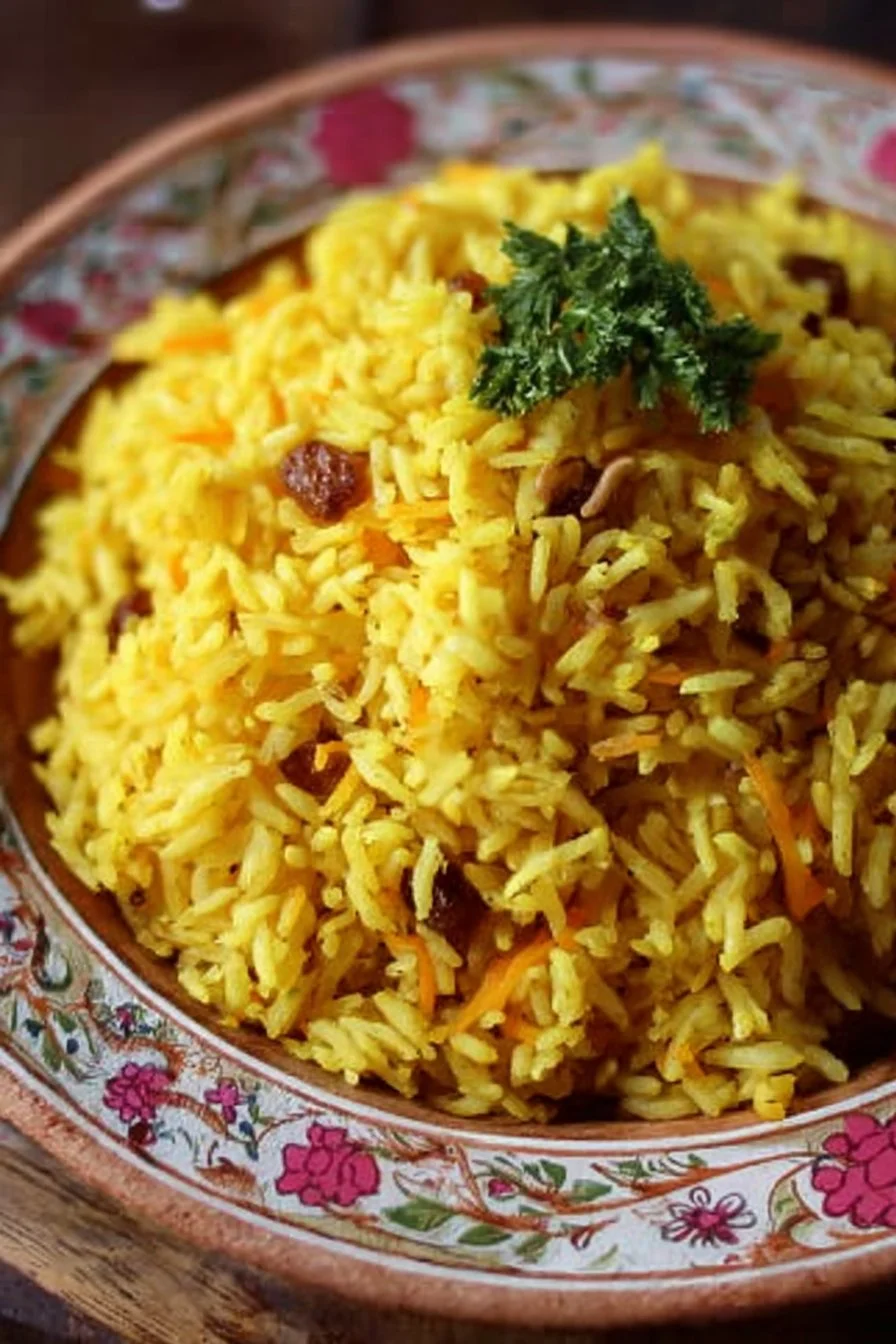
Bright, golden and quietly fragrant, this Ginger and Turmeric Aromatic Rice is the sort of side dish that sneaks up on you — warm, silky grains perfumed with fresh ginger and turmeric, sweet sautéed onion, and a gentle garlic kiss. The texture is fluffy and slightly glossy, not mushy, and the color makes it feel like something special even on a busy weeknight. It’s effortless enough for a simple dinner but interesting enough to serve when you want to impress without fuss. Serve it alongside roasted vegetables, a quick curry, or try it with something crunchy for contrast. If you love rice-forward comfort food, you might also enjoy the fun twist of our crispy egg and rice patties for brunch or a snack.
Why You’ll Love This Ginger and Turmeric Aromatic Rice
- Bright, warm flavors from fresh ginger and turmeric that lift plain rice into something memorable.
- Silky, separate grains with just enough body — not sticky, not dry.
- Quick and pantry-friendly: one cup of rice transforms in about 25 minutes.
- Flexible: choose water or vegetable broth to suit your mood and dietary needs.
- Mildly savory and aromatic — perfect as a side for bold mains or as a light main with a salad.
- Fragrant enough to perfume your kitchen, simple enough to become a weeknight staple.
- Easy to scale up or down depending on how many people you’re feeding.
- Garnishes like chopped cilantro add freshness and color without extra effort.
What Is Ginger and Turmeric Aromatic Rice?
This dish is a simple flavored rice where the base is long-grain rice (basmati or jasmine) cooked with fresh aromatics: grated ginger, grated turmeric (or ground turmeric if you don’t have fresh), onion and garlic. The cooking method is straightforward stovetop simmering: sauté the aromatics, toast and coat the rice briefly, then simmer with water or vegetable broth until the liquid is absorbed. You’ll get rice that’s aromatic, slightly golden from the turmeric, and warm with subtle peppery-golden notes from the ginger and turmeric. It’s often served as a fragrant side to vegetarian mains, grilled proteins, or saucy curries, and its vibe sits comfortably between weeknight comfort food and a simple dish to elevate a casual dinner party.
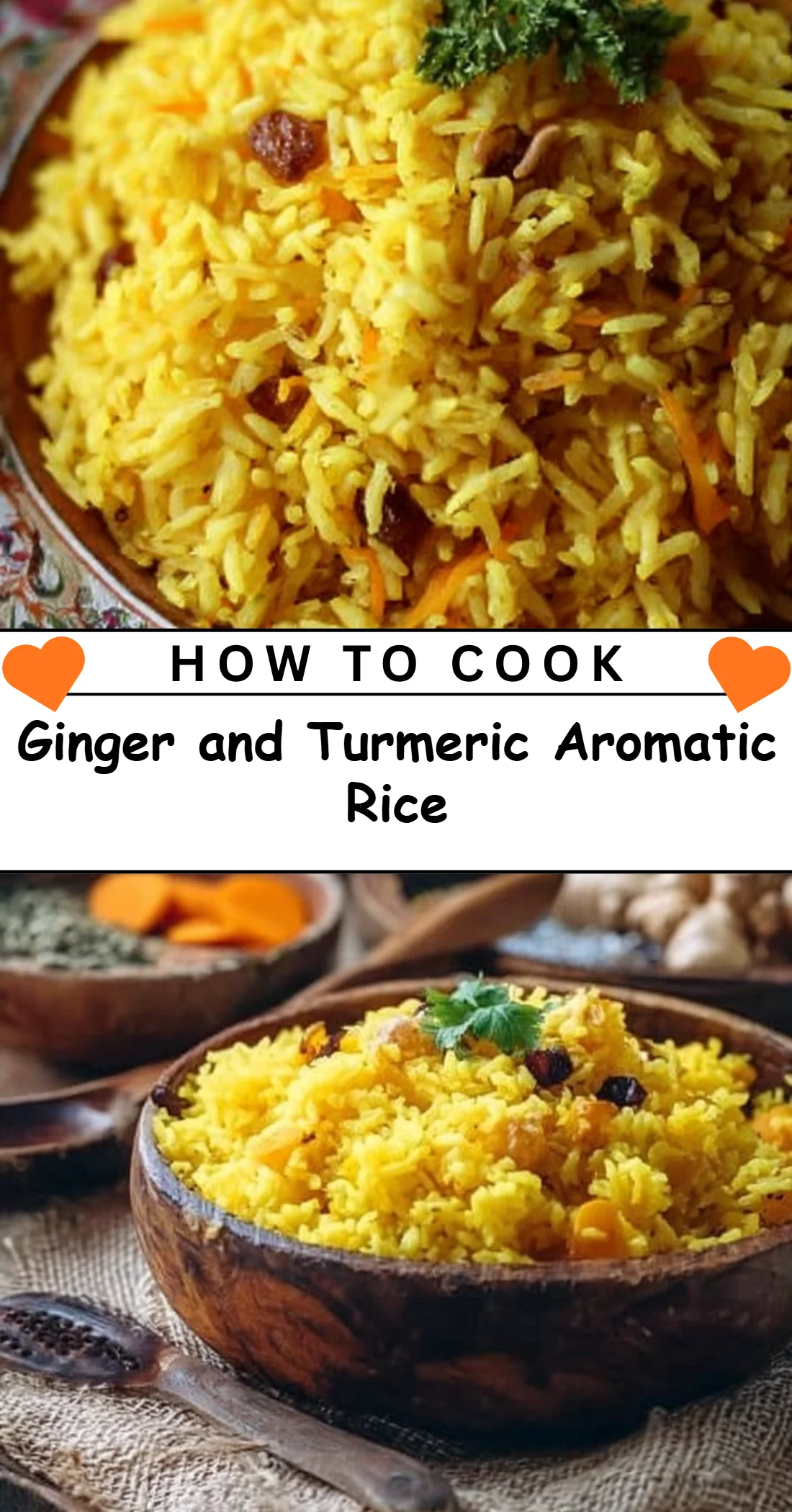
Ingredients for Ginger and Turmeric Aromatic Rice
For the Base
- 1 cup rice (basmati or jasmine)
- 2 cups water or vegetable broth
- 1 tablespoon olive oil or butter
- 1 teaspoon salt
For the Aromatics
- 1 small onion, chopped
- 2 cloves garlic, minced
- 1 tablespoon fresh ginger, grated
- 1 tablespoon fresh turmeric, grated (or 1 teaspoon ground turmeric)
For Serving (optional)
- Chopped cilantro for garnish
Ingredient Notes (Substitutions, Healthy Swaps)
- Rice: Basmati gives a slightly nutty, fluffy result; jasmine is more floral and a touch stickier. Either works with this method.
- Liquid: Use vegetable broth for a deeper, savory flavor; water keeps the dish lighter. If using store-bought broth, consider a low-sodium version to control salt.
- Turmeric: Fresh turmeric has a brighter, earthier flavor and a slightly different texture than ground. If you only have ground turmeric, use 1 teaspoon (already listed) and stir it in with the rice.
- Fat choice: Olive oil keeps the recipe dairy-free; butter adds a richer mouthfeel. Either is authentic to the method — choose what suits your diet.
- Salt: Start with the 1 teaspoon and taste when the rice is done; reduce for low-sodium diets or if using salty broth.
- Garnish: Chopped cilantro is optional but recommended for freshness and color; omit if you don’t like it.
Step-by-Step Instructions
Step 1 – Rinse and Prepare the Rice
Rinse the rice under cold water until the water runs clear. Drain well so the grains release excess starch and cook up fluffy.
Visual cue: The water should go from cloudy to nearly clear and the rice grains should separate when you lift the sieve.
Step 2 – Sauté the Onion
In a medium saucepan, heat the olive oil or butter over medium heat. Add the chopped onion and sauté until translucent and slightly softened (about 3–4 minutes).
Visual cue: Onions should look glossy and softened, not browned.
Pro cue: Medium heat is key — too hot and the onion will brown before softening.
Step 3 – Add Garlic, Ginger and Turmeric
Add the minced garlic, grated ginger, and grated turmeric (or ground turmeric) to the pan and cook for another minute until fragrant. Stir constantly so the aromatics don’t burn.
Visual cue: You’ll smell a warm, almost floral aroma as the spices bloom.
Pro cue: If using ground turmeric, toast it briefly with the aromatics to deepen the flavor without burning.
Step 4 – Toast and Coat the Rice
Add the rinsed, drained rice to the saucepan and stir to coat the grains evenly with the oil and aromatics. Toast for 30–60 seconds to add a subtle nuttiness.
Visual cue: Grains will look shinier and slightly translucent as they’re coated.
Pro cue: Quick toasting helps keep grains separate after cooking.
Step 5 – Simmer Gently
Pour in the water or vegetable broth, add the teaspoon of salt, and bring to a boil. Once boiling, reduce the heat to low, cover the pan, and simmer for about 15–20 minutes, or until the rice is cooked and the liquid is absorbed.
Visual cue: Small bubbles around the edge and the surface should look matte when liquid is absorbed.
Pro cue: Keep the lid on during simmering — lifting it lets steam escape and can lengthen cooking or dry the rice.
Step 6 – Rest, Fluff and Garnish
Remove the pan from heat and let it sit, covered, for 5 minutes. Fluff gently with a fork to separate the grains and garnish with chopped cilantro if desired. Serve warm.
Visual cue: Fluffed rice should separate into soft, glossy grains with a light golden hue from the turmeric.
Pro cue: Resting lets residual steam finish the cooking and firms up the texture for perfect separation.
Pro Tips for Success
- Rinse rice thoroughly: This removes surface starch that makes rice gummy; rinse until the water runs clear.
- Control heat when sautéing: Medium heat softens onions without browning; aromatics can burn in high heat and taste bitter.
- Use a snug-fitting lid: A tight seal traps steam and ensures even cooking — avoid lifting the lid while it simmers.
- Measure liquid accurately: A 1:2 ratio (1 cup rice to 2 cups liquid) works reliably for long-grain white rice.
- Fresh turmeric stains: Be careful with hands and surfaces — use gloves if you’re concerned about staining.
- Don’t over-stir: After adding liquid, avoid stirring; agitation can break grains and make the texture mushier.
- Taste for salt at the end: Broth increases sodium, so adjust seasoning after cooking if needed.
- Fluff with a fork, not a spoon: A fork separates grains more gently and prevents crushing.
Flavor Variations (OPTIONAL)
- Extra Ginger (OPTIONAL): Increase the grated ginger from 1 tablespoon to 1½ tablespoons for a brighter, spicier note. (Keeps base recipe intact.)
- Turmeric-forward (OPTIONAL): Use 1 teaspoon ground turmeric if fresh isn’t available for a subtler, evenly distributed color and flavor.
- Broth-Rich (OPTIONAL): Swap water for vegetable broth for a deeper savory backbone.
- Onion-Forward (OPTIONAL): Sauté the onion a bit longer until lightly golden for a sweeter, caramel-tinged profile.
- Garlic-Boost (OPTIONAL): Add another clove of garlic if you want a more pronounced garlic flavor.
- Cilantro on Top (OPTIONAL): Finish with a generous handful of chopped cilantro for freshness and contrast.
Serving Suggestions
- Pair with roasted vegetables and a drizzle of tahini for a complete vegetarian meal.
- Serve alongside grilled or pan-seared chicken or fish for a simple weeknight dinner.
- Use it as a bed for curries, stews, or a hearty legume-based chili.
- For a casual meal, tuck spoonfuls into bowls with crunchy salad components and a squeeze of lime.
- Serve it with a one-pot entrée like a one-pan chicken and rice casserole — the aromatic rice makes a bright backdrop to richer mains.
- Plate it in a shallow bowl, top with a cilantrol sprig, and serve family-style for gatherings.
Make-Ahead, Storage & Reheating
- Make-ahead: You can cook the rice fully and store it in the refrigerator for up to 3 days. Keep it in an airtight container to preserve moisture and aroma.
- Refrigerator storage: Store for 3–4 days. Rice becomes firmer as it cools and may absorb flavors from the fridge, so seal well.
- Reheating on the stovetop: Place rice in a saucepan with a tablespoon or two of water or broth per cup of rice, cover, and warm over low heat until heated through, fluffing occasionally.
- Microwave reheating: Sprinkle a little water over the rice, cover loosely, and microwave in 30–45 second bursts, fluffing in between. This restores moisture without making it soggy.
- Texture changes: Refrigerated rice will firm up and may dry out a bit; adding a splash of liquid and gentle reheating restores the original texture.
Storage and Freezing Instructions
- Freezing: Cooked rice freezes well. Cool completely, transfer to freezer-safe containers or bags, and freeze for up to 2 months. Freeze in portion sizes you’ll use later.
- Thawing and reheating: Thaw in the refrigerator overnight or reheat from frozen in a covered skillet with a splash of water or broth until steaming hot. Microwaving from frozen works too but may require longer and occasional stirring.
- If freezing isn’t ideal: If you prefer not to freeze, keep rice in the fridge for up to 3–4 days and repurpose it in fried rice or rice patties to refresh its texture.
Nutrition Facts (Per Serving)
| Calories | Protein | Carbs | Fat | Fiber | Sodium |
|———|——–|——|—–|——|——-|
| 265 kcal | 5 g | 47 g | 4.5 g | 1 g | 760 mg |
Nutrition values are estimates and may vary depending on ingredients and portion sizes.
FAQ About Ginger and Turmeric Aromatic Rice
Q: Why is my rice gummy?
A: Most likely the rice wasn’t rinsed enough or the liquid ratio was too high. Rinse until water runs clear and use the 1:2 rice-to-liquid ratio.
Q: Can I use ground turmeric instead of fresh?
A: Yes — use 1 teaspoon ground turmeric (already listed) and stir it in with the rice when you add the liquid.
Q: My rice is still hard after 20 minutes — what now?
A: Add a few tablespoons of hot water, cover, and simmer for an additional 3–5 minutes, then let it rest covered for 5 minutes.
Q: The rice turned out mushy — can I fix it?
A: For slight mushiness, spread it on a baking sheet to cool and dry, then gently fluff. For reheats, a quick sauté in a hot pan can help separate grains.
Q: How should I reheat leftovers without drying them out?
A: Add a splash of water or broth before reheating and cover to trap steam; microwave or gently warm on the stove.
Q: Can I skip the cilantro garnish?
A: Yes — cilantro is optional and only adds freshness and color; omit if you don’t like it.
Notes
- Serve in shallow bowls for pretty plating and to show off the golden color.
- For a subtle extra layer, finish with a tiny drizzle of olive oil or a small pat of butter right after fluffing.
- If using store-bought broth, taste before adding the full teaspoon of salt to avoid over-seasoning.
- Fresh turmeric stains easily — wipe surfaces promptly and consider gloves to protect hands.
- If you want more color without changing flavor, a touch more turmeric (within reason) will deepen the hue.
- Leftover rice is excellent transformed into fried rice or rice cakes the next day.
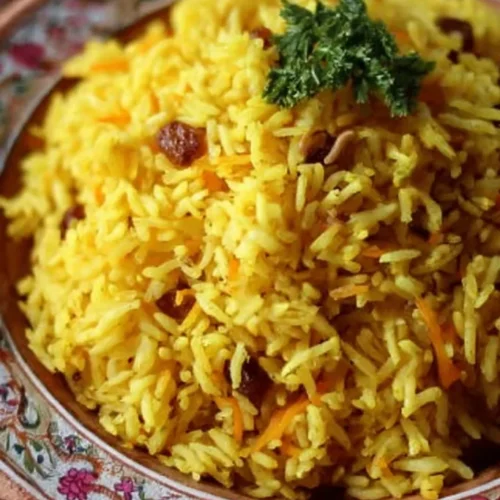
Ginger and Turmeric Aromatic Rice
Ingredients
For the Base
- 1 cup rice (basmati or jasmine) Basmati gives a nutty, fluffy result; jasmine is more floral and slightly stickier.
- 2 cups water or vegetable broth Use broth for deeper flavor; low-sodium options are recommended.
- 1 tablespoon olive oil or butter Olive oil keeps the recipe dairy-free; butter offers a richer flavor.
- 1 teaspoon salt Adjust according to taste, especially if using salty broth.
For the Aromatics
- 1 small onion, chopped
- 2 cloves garlic, minced
- 1 tablespoon fresh ginger, grated
- 1 tablespoon fresh turmeric, grated (or 1 teaspoon ground turmeric) Use ground if fresh is unavailable.
For Serving (optional)
- to taste chopped cilantro for garnish Optional, adds freshness and color.
Instructions
Preparation
- Rinse the rice under cold water until the water runs clear and drain well.
- In a medium saucepan, heat the olive oil or butter and sauté the chopped onion until translucent, about 3–4 minutes.
- Add minced garlic, grated ginger, and grated turmeric to the pan, cooking for another minute until fragrant.
- Add the rinsed rice to the saucepan and stir to coat with the oil and aromatics, toasting for 30–60 seconds.
- Pour in the water or broth, add the salt, and bring to a boil. Reduce heat, cover, and simmer for about 15–20 minutes until the rice is cooked and liquid absorbed.
- Remove from heat and let the rice sit covered for 5 minutes. Fluff gently with a fork and garnish with cilantro if desired.