
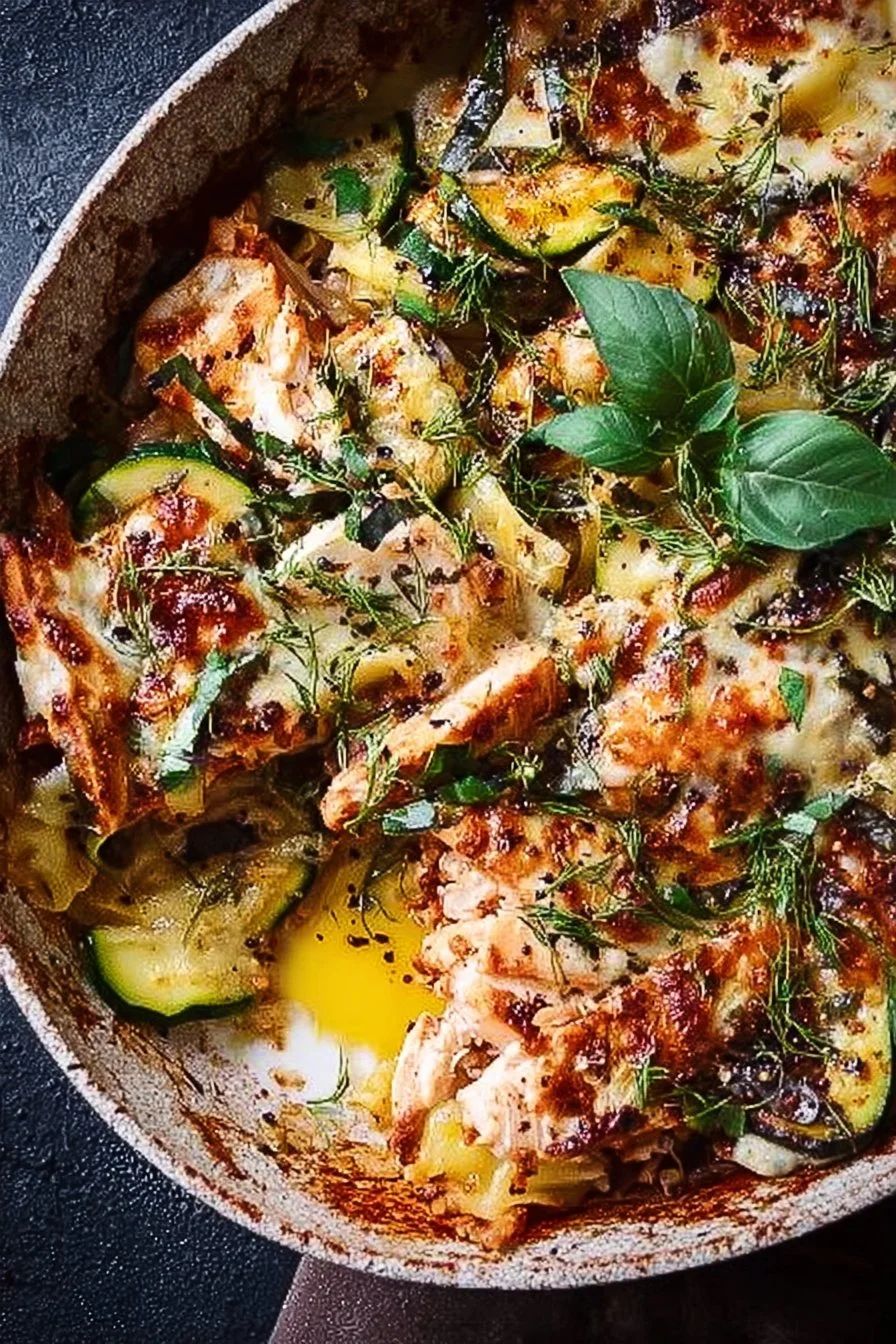
A bowl full of bright, savory flavors, hearty textures, and satisfying protein is the perfect antidote to a long day — and these 15 anti-inflammatory dinners deliver all that. Think flaky roasted salmon, spiced lentil stews, vibrant turmeric chicken bowls, and smoky black bean chili — all built around ingredients known to calm inflammation while packing in protein. They’re easy enough for weeknights, comforting enough for family dinners, and flexible so you can swap proteins or sides. Serve them with a simple grain, a crisp salad, or roasted vegetables for a complete, nourishing plate.
One easy way to round out an anti-inflammatory day is to balance dinner with a high-protein breakfast — I often pair these dinners with recipes like high-protein breakfast biscuits for meal prep mornings because they reheat beautifully.
Why You’ll Love This 15 Anti-Inflammatory Dinners That Are High in Protein
- Balanced flavors: bright citrus, warming turmeric and ginger, and savory herbs to keep each dish lively.
- High in protein: each dinner centers on a quality protein source to keep you full and support muscle recovery.
- Anti-inflammatory ingredients: turmeric, ginger, garlic, leafy greens, berries, fatty fish, and olive oil feature throughout.
- Easy weeknight cooks: most dinners can be made in 30–45 minutes or prepped ahead.
- Versatile: swap proteins (fish, chicken, legumes, tofu) to suit dietary needs and budgets.
- Comforting and vibrant: hearty, comforting textures without feeling heavy.
- Meal-prep friendly: leftovers reheat well for lunches or quick dinners.
- Family-friendly: flavors are approachable, and many recipes can be toned up or down on spice.
What Is 15 Anti-Inflammatory Dinners That Are High in Protein?
This collection is a curated set of 15 dinner ideas focused on anti-inflammatory ingredients and generous protein portions. Expect dishes that taste bright and layered — citrus or herb-forward marinades, earthy turmeric, deep roasted vegetables, and umami-rich sauces. Cooking methods are varied: roasting, pan-searing, one-pot simmering, and quick stovetop sautés. These dinners are perfect for weeknight family meals, cozy weekend suppers, or anytime you need a nourishing, protein-forward plate with inflammation-conscious ingredients. The overall vibe is wholesome comfort food with a health-forward twist.
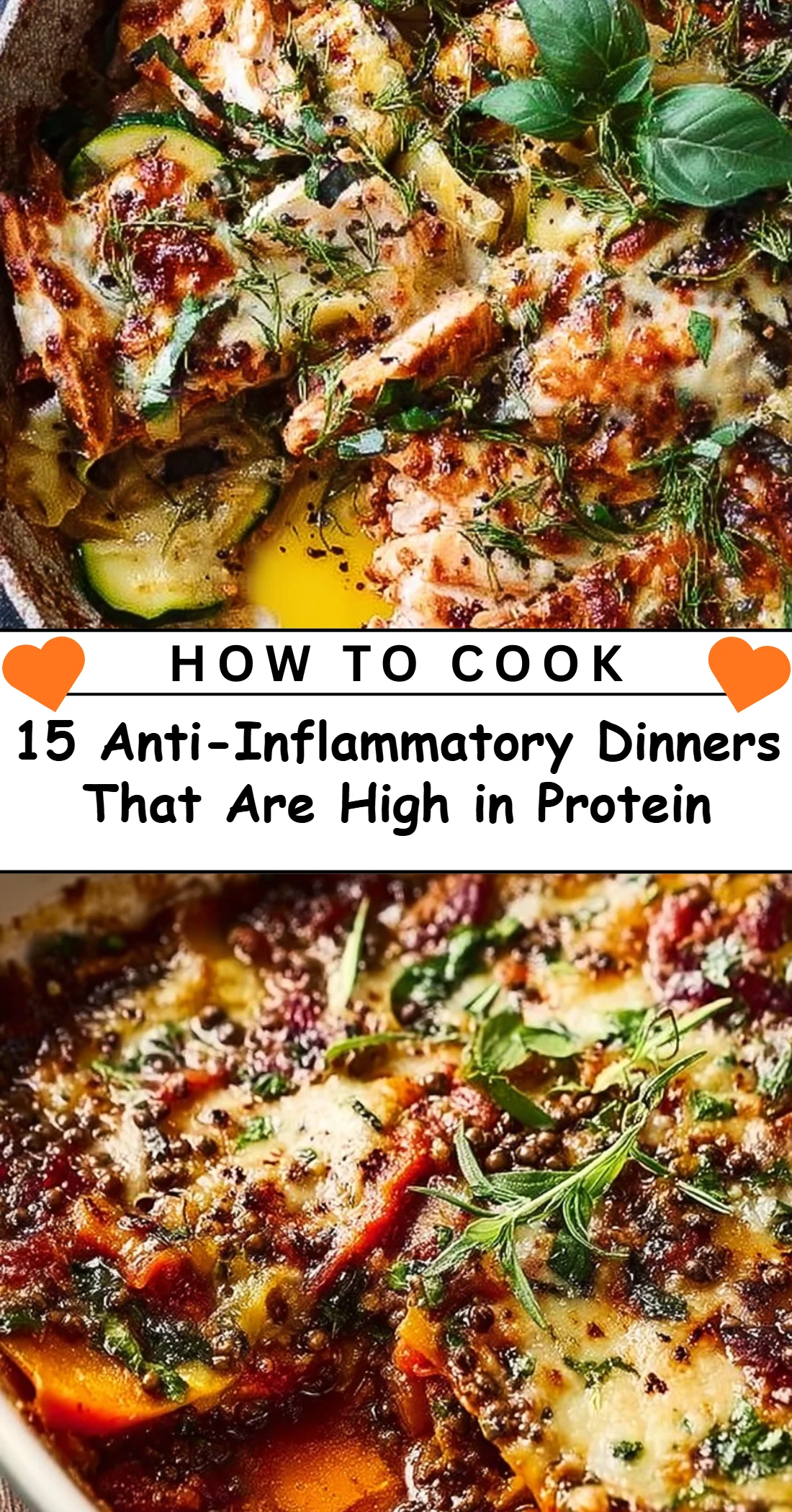
Ingredients for 15 Anti-Inflammatory Dinners That Are High in Protein
Below is a consolidated list of staple ingredients used across these 15 dinners. Use what you have and mix and match for different recipes.
Proteins (choose per recipe)
- Salmon fillets or other fatty fish
- Skinless chicken breasts or thighs
- Firm tofu or tempeh
- Canned or cooked chickpeas
- Lentils (brown or green)
- Black beans or white beans
- Lean ground turkey or chicken
Vegetables & Greens
- Leafy greens (spinach, kale, Swiss chard)
- Broccoli or cauliflower
- Sweet potatoes
- Bell peppers
- Red onions
- Tomatoes
Pantry & Grains
- Quinoa
- Brown rice or farro
- Olive oil
- Low-sodium vegetable or chicken broth
- Canned diced tomatoes
Flavor Builders & Anti-Inflammatory Staples
- Fresh turmeric (or ground turmeric)
- Fresh ginger
- Garlic
- Lemon and/or lime
- Ground cumin
- Smoked paprika
- Turmeric
- Black pepper (helps turmeric absorption when combined with a pinch of black pepper)
- Fresh herbs (cilantro, parsley, basil)
Finishing & Serving
- Avocado
- Nuts or seeds (almonds, walnuts, pumpkin seeds)
- Plain Greek yogurt (or dairy-free yogurt alternative)
- Salt and pepper to taste
Ingredient Notes (Substitutions, Healthy Swaps)
- Dairy alternatives: swap Greek yogurt for unsweetened coconut or almond yogurt for a dairy-free finish.
- Gluten-free options: use quinoa, rice, or gluten-free farro instead of wheat-based grains.
- Lower-fat swaps: choose lean chicken breast or tempeh instead of fattier cuts; use less oil and finish with lemon for brightness.
- Budget substitutions: canned beans and lentils are inexpensive, protein-rich, and freeze well; frozen fish fillets can be a cost-effective alternative to fresh.
- Vegan protein swap: replace animal proteins with tofu, tempeh, lentils, or a bean-and-grain combo to keep the protein high.
- Spice flexibility: omit or reduce hot peppers for milder family-friendly options.
Step-by-Step Instructions
These 5 core steps will help you build any of the dinners in this collection; follow the protein and vegetable choices that fit the specific dish you want to make.
Step 1 – Plan your plate
- Pick a protein, a grain or base, and 2–3 vegetables.
Visual cue: You should have one protein portion per person (4–6 oz cooked), one cup cooked grain per person, and a generous pile of vegetables.
Step 2 – Prep aromatics and anti-inflammatory flavors
- Mince garlic, grate turmeric/ginger, and juice lemon. Toss proteins in olive oil, a pinch of salt, pepper, and your chosen spices (turmeric, cumin, smoked paprika).
Pro cue: Marinate fish or chicken 15–30 minutes if time allows; tofu benefits from a brief press and marinade for better flavor absorption.
Step 3 – Cook your base
- Bring quinoa or rice to a simmer in broth for extra flavor. Start roasting sweet potatoes or broccoli at 400°F (200°C) with olive oil and salt while you cook the protein.
Visual cue: Grains should be fluffy and vegetables caramelized on the edges.
Step 4 – Cook the protein
- For fish: sear skin-side down in a hot skillet 3–5 minutes, then finish in oven if thick.
- For chicken: sear 3–4 minutes per side and finish in the oven until internal temp reaches 165°F (74°C).
- For legumes/tofu: simmer lentils until tender or pan-fry tofu until golden.
Pro cue: Don’t overcrowd the pan — a good sear locks in flavor.
Step 5 – Assemble and finish
- Layer grain or greens, add protein, pile on roasted vegetables, and finish with a squeeze of lemon, a drizzle of olive oil, herbs, seeds, or a dollop of yogurt.
Visual cue: Plates should look colorful with contrasts: green leaves, orange sweet potato, golden protein, and herb flecks.
Pro Tips for Success
- Heat control: Start proteins on high heat to get a good sear, then lower to finish cooking gently.
- Texture control: Roast vegetables hot (400°F/200°C) so edges caramelize while keeping centers tender.
- Season early and taste often: Salt in stages — while cooking your base, vegetables, and protein — for balanced seasoning.
- Turmeric absorption: Add a pinch of black pepper when using turmeric to help absorption.
- Timing tips: Roast vegetables while grains simmer to save time; use a sheet pan to roast protein and veg together for fuss-free cleanup.
- Avoid dryness: Let cooked chicken rest 5 minutes before slicing to keep it juicy.
- One-pan better: Use a cast-iron skillet for fish and seared proteins when possible for better browning and flavor.
Flavor Variations
All variations are optional and keep the base concept intact.
- Spicy version: Add red pepper flakes or sliced jalapeño to sauces and marinades.
- Citrus-herb: Use lemon zest, parsley, and a splash of white wine (optional, omit if avoiding alcohol) in a finished sauce.
- Mediterranean twist: Swap spices for oregano and rosemary; serve with olives and a spoonful of yogurt.
- Asian-inspired: Use grated ginger, tamari, and sesame oil; top with scallions and sesame seeds.
- Creamy swap: Stir a spoonful of Greek yogurt or tahini into warm grains for a richer finish (optional dairy-free alternative: unsweetened almond yogurt).
- Legume-forward: Double up on lentils or chickpeas for a vegetarian, protein-rich main.
Serving Suggestions
- Simple sides: Serve with steamed greens and a squeeze of lemon to brighten the plate.
- Grain pairings: Quinoa for nuttiness, brown rice for comfort, or cauliflower rice for a low-carb option.
- Occasions: Weeknight family dinner, meal-prep for busy workweeks, or a light weekend supper.
- Plating ideas: Layer grains first, then vegetables, then protein; finish with seeds and herbs for contrast.
- Meal pairings: A side salad with avocado and pumpkin seeds complements these dinners well.
- Kid-friendly: Reduce spices, serve proteins sliced, and include a favorite roasted vegetable for picky eaters.
One fresh morning meal that pairs beautifully with leftovers is a high-protein breakfast bowl with fluffy pancakes, which can transform leftover roasted sweet potato and greens into a hearty brunch.
Make-Ahead, Storage & Reheating
- Make-ahead: Cook grains, roast vegetables, and prepare marinades up to 2 days in advance. Proteins can be marinated overnight.
- Refrigerator storage time: Store cooked components separately in airtight containers for up to 3–4 days.
- Reheating methods:
- Microwave: Reheat in 1-minute bursts, stirring in between to distribute heat.
- Oven: Reheat roasted proteins/veg at 325°F (160°C) for 8–12 minutes to retain texture.
- Stovetop: Quickly sauté grains and vegetables together in a hot skillet for crispness and to revive flavors.
- Texture changes: Leafy greens may wilt after refrigeration — toss briefly with hot grains or add fresh herbs to revive.
Storage and Freezing Instructions
- Freezing: Cooled cooked grains, roasted vegetables, and cooked legumes freeze well in portioned containers for 2–3 months. Freeze proteins like cooked chicken or fish separately for up to 2 months (fish texture may change slightly).
- Thawing: Thaw overnight in the refrigerator, then reheat gently to avoid drying out.
- If freezing not ideal: Some delicate sauces (yogurt dressings, avocado) don’t freeze well — store those fresh and add after reheating.
Nutrition Facts (Per Serving)
| Calories | Protein | Carbs | Fat | Fiber | Sodium |
|———|——–|——|—–|——|——-|
| 520 kcal | 36 g | 45 g | 20 g | 8 g | 520 mg |
Nutrition values are estimates and may vary depending on ingredients and portion sizes.
FAQ About 15 Anti-Inflammatory Dinners That Are High in Protein
Q: How do I prevent fish from drying out when reheating?
A: Reheat gently at low temperature (275–300°F/135–150°C) in foil, or steam briefly on the stovetop to maintain moisture.
Q: Can I make these dinners fully vegetarian or vegan?
A: Yes — use tofu, tempeh, lentils, or beans as the main protein and swap yogurt for plant-based alternatives.
Q: My lentils are mushy — how can I avoid that next time?
A: Rinse lentils, use the recommended simmer time, and check doneness early; different lentil types have different cook times.
Q: What’s the best way to keep roasted vegetables crispy after reheating?
A: Reheat in a hot oven or a dry skillet to re-crisp edges; avoid microwaving if you want to maintain crunch.
Q: How can I boost the anti-inflammatory power of a dish?
A: Add fresh turmeric or ginger, use extra virgin olive oil, include leafy greens, and top with seeds or walnuts.
Q: How long do prepared meals last in the fridge?
A: Stored separately, most cooked components last 3–4 days. Combine only when ready to eat for best texture.
Notes
- Plating idea: Use a shallow bowl to show off contrasts — grains beneath, protein center stage, veg fanned to one side.
- Small flavor upgrade: Finish with a drizzle of extra virgin olive oil and a squeeze of lemon to brighten heavy flavors.
- Seasoning adjustment: Taste and adjust salt at the end; acids help bring out overall flavor, so don’t skip lemon or vinegar.
- Presentation tip: Add a final sprinkle of fresh herbs and toasted seeds for color, texture, and a nutrient boost.
- Leftover remix: Turn leftover roasted veggies and proteins into a hearty salad or breakfast hash the next day.
Anti-Inflammatory High-Protein Dinners
Ingredients
Proteins
- 4 fillets Salmon fillets or other fatty fish
- 4 breasts Skinless chicken breasts or thighs
- 1 block Firm tofu or tempeh Vegan protein option
- 1 can Canned or cooked chickpeas
- 1 cup Lentils (brown or green) Cooked until tender
- 1 can Black beans or white beans
- 1 lb Lean ground turkey or chicken
Vegetables & Greens
- 4 cups Leafy greens (spinach, kale, Swiss chard)
- 2 cups Broccoli or cauliflower
- 2 large Sweet potatoes Roasted or boiled
- 2 large Bell peppers
- 1 large Red onions
- 3 medium Tomatoes
Pantry & Grains
- 2 cups Quinoa For a base
- 2 cups Brown rice or farro
- 1/4 cup Olive oil For cooking and dressing
- 4 cups Low-sodium vegetable or chicken broth For cooking grains
- 1 can Canned diced tomatoes
Flavor Builders & Anti-Inflammatory Staples
- 1 inch Fresh turmeric (or ground turmeric) For anti-inflammatory benefits
- 1 inch Fresh ginger
- 4 cloves Garlic
- 2 large Lemon and/or lime
- 1 tsp Ground cumin
- 1 tsp Smoked paprika
- 1/4 tsp Black pepper Helps turmeric absorption
- 1 bunch Fresh herbs (cilantro, parsley, basil) For garnishing
Finishing & Serving
- 1 each Avocado For serving
- 1/2 cup Nuts or seeds (almonds, walnuts, pumpkin seeds) Optional topping
- 1 cup Plain Greek yogurt (or dairy-free yogurt alternative) For serving
- to taste Salt and pepper To taste
Instructions
Preparation
- Pick a protein, a grain or base, and 2–3 vegetables for each dinner.
- Mince garlic, grate turmeric/ginger, and juice lemon. Toss proteins in olive oil, a pinch of salt, and pepper.
- Marinate fish or chicken 15–30 minutes if time allows; press and marinade tofu for better flavor.
Cooking
- Simmer quinoa or rice in broth for flavor. Roast sweet potatoes or broccoli at 400°F (200°C) with olive oil and salt.
- Cook the chosen protein: Sear fish or chicken, and simmer legumes/toler until done.
Assembly
- Layer grains, add protein, pile on roasted vegetables, and finish with a squeeze of lemon and herbs.
- Serve with yogurt or seeds on top.