
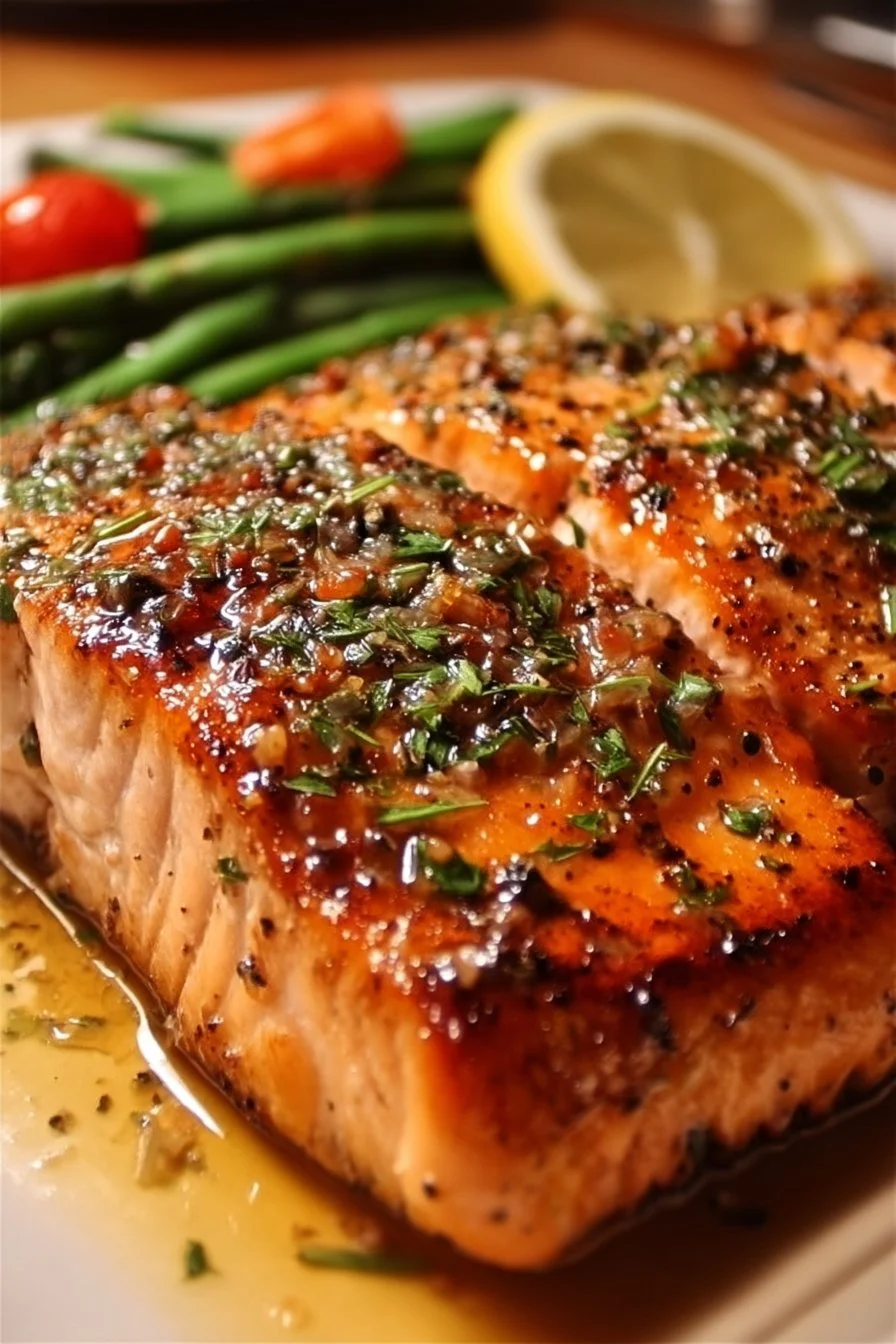
This salmon bites with a sticky-sweet glaze hits the sweet spot between restaurant polish and weeknight simplicity.
Crispy skin, tender flaky flesh and a caramelized brown-sugar-honey glaze give you crunchy, savory, and sweet in every forkful.
It’s comfort food that comes together in minutes, yet feels special enough for guests or a cozy date night at home.
You’ll love how the garlic, paprika, and black pepper round the flavors without overpowering the fish.
Serve it over steamed rice or a bright green salad for a full meal in under 30 minutes — and if you’re hunting more quick ideas, browse these best 5 delicious salmon recipes for quick weeknight dinners.
Simple pantry ingredients make this one a go-to for busy nights and small celebrations alike.
Why You’ll Love This Delicious Texas Roadhouse Salmon in Minutes at Home
- Fast: ready in minutes, perfect for weeknights or last-minute dinner plans.
- Balanced flavors: sweet brown sugar and honey meet savory soy sauce and butter for a glossy, craveable glaze.
- Textural contrast: pan-seared skin gets crisp while the salmon stays tender and flaky.
- Minimal ingredients: uses staples many cooks already have.
- Versatile: pairs well with rice, potatoes, roasted veggies, or a simple salad.
- Restaurant-style result: delivers that Texas Roadhouse–inspired richness without leaving your kitchen.
- Kid-friendly: familiar sweet-savory profile appeals to picky eaters.
- Easy to scale: double or halve the quantities for a crowd or solo dinner.
What Is Delicious Texas Roadhouse Salmon in Minutes at Home?
This recipe is a pan-seared salmon fillet finished with a sticky brown sugar and honey glaze boosted by soy sauce, butter, and warming spices. The taste is sweet and savory with a subtle garlicky warmth and a kiss of paprika for color and depth. The cooking method is quick pan-searing — skin-on fillets are seared to crisp the skin and then briefly finished with the glaze until it becomes glossy and slightly caramelized. People typically serve this as a weeknight main, a casual dinner-party entrée, or a comfort-food option when you want something impressive without fuss. Overall, the vibe is cozy, approachable, and slightly indulgent — like a favorite steakhouse dish translated to fish.

Ingredients for Delicious Texas Roadhouse Salmon in Minutes at Home
For the Salmon (serves 4)
- 4 6 oz Salmon Fillets (Skin-on recommended for crispiness)
For the Glaze
- 1/4 cup Brown Sugar (Substitute with coconut sugar if desired)
- 1/4 cup Soy Sauce (Tamari can be used for gluten-free option)
- 2 tablespoons Melted Butter (Olive oil can be a lighter substitution)
- 2 tablespoons Honey (Maple syrup can be used for a vegan option)
- 1 teaspoon Garlic Powder (Fresh minced garlic can be used, adjust quantity)
- 1/2 teaspoon Black Pepper (White pepper optional for milder flavor)
- 1 teaspoon Paprika (Smoked paprika can add extra depth)
For Garnish
- 2 tablespoons Fresh Parsley (Chopped, for garnish)
Ingredient Notes (Substitutions, Healthy Swaps)
- Brown sugar: swap with coconut sugar to reduce refined cane sugar; the glaze will be slightly darker.
- Soy sauce: use tamari for a gluten-free version, or a low-sodium soy sauce to cut salt. Remember the glaze is a primary salt source.
- Melted butter: substitute with olive oil for a lighter pan finish; butter lends richness and helps caramelize the glaze.
- Honey: use maple syrup to make it vegan-friendly, though texture and sweetness may vary slightly.
- Garlic powder: fresh minced garlic can be used, but add it late in the cooking to avoid burning and bitterness.
- Paprika: smoked paprika adds a deeper, smoky profile; regular paprika gives color and mild warmth.
- Salmon: skin-on is recommended for crispiness; if you only have skinless, reduce searing time and be gentle when flipping.
For inspiration on adapting restaurant-style techniques to other proteins, see how to make delicious 1980s chicken dishes at home — many glazing ideas translate well between proteins.
Step-by-Step Instructions
Step 1 – Prepare the Glaze
- In a small bowl, combine 1/4 cup brown sugar, 1/4 cup soy sauce, 2 tablespoons melted butter, 2 tablespoons honey, 1 teaspoon garlic powder, 1/2 teaspoon black pepper, and 1 teaspoon paprika. Stir until the sugar is mostly dissolved.
Visual cue: The mixture should be glossy and pourable, with no large clumps of sugar.
Step 2 – Pat and Season the Salmon
2. Pat the salmon fillets dry with paper towels. If desired, lightly dust the flesh with a pinch of the garlic powder and black pepper from the glaze.
Visual cue: Skin should look dry and slightly taut — this helps it crisp in the pan.
Step 3 – Sear Skin-Side Down
3. Heat a nonstick or well-seasoned skillet over medium-high heat. Place the salmon fillets skin-side down and press gently for the first 20 seconds to keep the skin flat. Sear until the skin is deeply golden and crisp, about 4–5 minutes depending on thickness.
Pro cue: Avoid moving the fillets during this stage; the skin releases naturally when it’s ready to flip.
Step 4 – Flip and Add Glaze
4. Carefully flip each fillet and pour or brush a thin layer of the glaze over the top. Let the salmon cook on the flesh side for 1–2 minutes to set the glaze.
Visual cue: The glaze should bubble gently and thicken, forming a shiny coat.
Step 5 – Finish and Baste
5. Spoon the bubbling glaze over the fillets repeatedly for 30–60 seconds until it’s tacky and the salmon is cooked to your liking (medium is flaky and slightly translucent in the center). Remove from heat and rest for a minute.
Pro cue: Use an instant-read thermometer for precision — 125–130°F for medium, 135°F for medium-well.
Step 6 – Garnish and Serve
6. Sprinkle 2 tablespoons chopped fresh parsley over the fillets and serve immediately with your favorite sides.
Visual cue: The finished salmon will be glossy, slightly caramelized on top, and the skin crisp underneath.
Pro Tips for Success
- Pat the salmon very dry before searing; moisture steals crispiness.
- Use a hot, but not smoking, pan to get good Maillard color without burning the glaze.
- Press fillets down when they first hit the pan to prevent curling.
- Don’t overcrowd the pan—work in batches if needed so each fillet sears evenly.
- Add glaze when you’ve flipped the fish so sugars don’t burn on the initial sear.
- Rest the salmon briefly after cooking to let juices redistribute — it keeps the fish moist.
- If the glaze thickens too fast, remove the pan from direct heat; residual warmth will finish it without burning.
- If you prefer less sodium, use low-sodium tamari or reduce soy sauce by half and add a splash of water to thin the glaze.
Flavor Variations
(OPTIONAL) These keep the base recipe intact but tweak the flavor profile:
- Spicy kick: Add 1/4–1/2 teaspoon cayenne or a pinch of red pepper flakes to the glaze.
- Smoky twist: Swap paprika for smoked paprika for a deeper flavor.
- Citrus bright: Stir 1 teaspoon lemon zest into the glaze before brushing for fresh acidity.
- Herb-forward: Toss chopped cilantro or basil instead of parsley for a different herb note.
- Maple-glazed: Replace honey with maple syrup for a more autumnal, rounded sweetness.
- Low-sugar option: Halve the brown sugar and honey, and let the natural salmon oils shine through.
Serving Suggestions
- Over steamed white or brown rice with a drizzle of leftover glaze.
- With roasted asparagus and lemon wedges for a bright, elegant plate.
- On a bed of buttered mashed potatoes to soak up the sauce.
- Flaked into a warm grain bowl with quinoa, diced cucumber, and a squeeze of lemon.
- Served alongside a crisp green salad and crusty bread for mopping up glaze.
- Great for date nights, family dinners, or when you want a restaurant-style meal at home.
Make-Ahead, Storage & Reheating
- Make-ahead: You can mix the glaze up to 24 hours in advance and refrigerate in a sealed container. Bring it to room temperature before using.
- Refrigerator storage: Store cooked salmon in an airtight container for up to 3 days. Keep the glaze separate if possible to preserve texture.
- Reheating: Warm gently in a 300°F oven for 8–10 minutes or in a skillet over low heat, covered, until warmed through. Spoon extra glaze on after reheating. Avoid microwaving for best texture.
- Texture changes: Reheated salmon will be firmer and less flaky than fresh-off-the-pan. Reheat gently to reduce dryness.
Storage and Freezing Instructions
- Freezing: Cooked salmon can be frozen, but the glaze’s texture and the salmon’s flakiness change after thawing. If you plan to freeze, flash-cool the fillets, wrap tightly in plastic wrap and foil, and freeze for up to 2 months. Thaw overnight in the refrigerator.
- Best alternative: Consider freezing uncooked fillets and the glaze separately. Thaw in the refrigerator and cook fresh for best texture and flavor retention.
- Not recommended: Avoid freezing leftovers if you want a crisp skin after reheating — crispiness rarely survives the freeze-thaw cycle.
Nutrition Facts (Per Serving)
| Calories | Protein | Carbs | Fat | Fiber | Sodium |
|———|——–|——|—–|——|——-|
| 380 kcal | 34 g | 22 g | 19 g | 0 g | 900 mg |
Nutrition values are estimates and may vary depending on ingredients and portion sizes.
FAQ About Delicious Texas Roadhouse Salmon in Minutes at Home
Q: My skin didn’t get crispy. What went wrong?
A: The pan wasn’t hot enough or the skin was damp. Pat fillets dry and make sure the skillet is hot before adding the fish.
Q: How do I know when the salmon is done?
A: Visually it should flake easily and be slightly translucent in the center. For precision, 125–130°F is medium; 135°F is medium-well.
Q: Can I use fresh garlic instead of garlic powder?
A: Yes. Use about 1–2 cloves minced and add it after flipping so it doesn’t burn during the initial sear.
Q: My glaze burned. How can I prevent that?
A: Sugar burns quickly over high heat. Add glaze after flipping and lower the heat so it reduces gently without scorching.
Q: Is this recipe freezer-friendly?
A: Cooked salmon loses texture after freezing; flash-freeze uncooked fillets and store the glaze separately for best results.
Q: Can I reduce the saltiness from the soy sauce?
A: Use low-sodium soy sauce or tamari. You can also reduce the soy sauce by half and add a splash of water to keep the glaze consistency.
Notes
- Plate with the salmon skin-side up to preserve crispness until served.
- For a glossy finish, spoon extra warm glaze over the fillets right before serving.
- Taste the glaze before using and adjust garlic powder, pepper, or paprika to your preference.
- For an elegant presentation, serve fillets on a smear of mashed potatoes or a stack of sautéed greens.
- Leftover glaze makes a nice finishing brush for roasted vegetables — reserve a small amount before brushing the fish if you plan to reuse it.
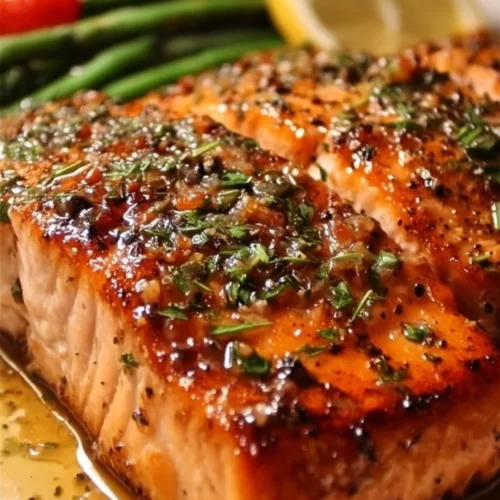
Texas Roadhouse Salmon
Ingredients
For the Salmon
- 4 pieces 6 oz Salmon Fillets (Skin-on recommended for crispiness)
For the Glaze
- 1/4 cup Brown Sugar (Substitute with coconut sugar if desired)
- 1/4 cup Soy Sauce (Tamari can be used for gluten-free option)
- 2 tablespoons Melted Butter (Olive oil can be a lighter substitution)
- 2 tablespoons Honey (Maple syrup can be used for a vegan option)
- 1 teaspoon Garlic Powder (Fresh minced garlic can be used, adjust quantity)
- 1/2 teaspoon Black Pepper (White pepper optional for milder flavor)
- 1 teaspoon Paprika (Smoked paprika can add extra depth)
For Garnish
- 2 tablespoons Fresh Parsley (Chopped, for garnish)
Instructions
Preparation of Glaze
- In a small bowl, combine 1/4 cup brown sugar, 1/4 cup soy sauce, 2 tablespoons melted butter, 2 tablespoons honey, 1 teaspoon garlic powder, 1/2 teaspoon black pepper, and 1 teaspoon paprika. Stir until the sugar is mostly dissolved.
Prepare the Salmon
- Pat the salmon fillets dry with paper towels. Lightly dust the flesh with a pinch of the garlic powder and black pepper.
- Heat a nonstick or well-seasoned skillet over medium-high heat and place the salmon fillets skin-side down.
Cooking
- Sear the salmon until the skin is deeply golden and crisp, about 4–5 minutes.
- Carefully flip each fillet and pour or brush a thin layer of the glaze over the top. Cook for 1–2 minutes.
- Spoon the bubbling glaze over the fillets repeatedly for 30–60 seconds. Remove from heat and let rest.
Serving
- Sprinkle chopped fresh parsley over the fillets and serve immediately.