
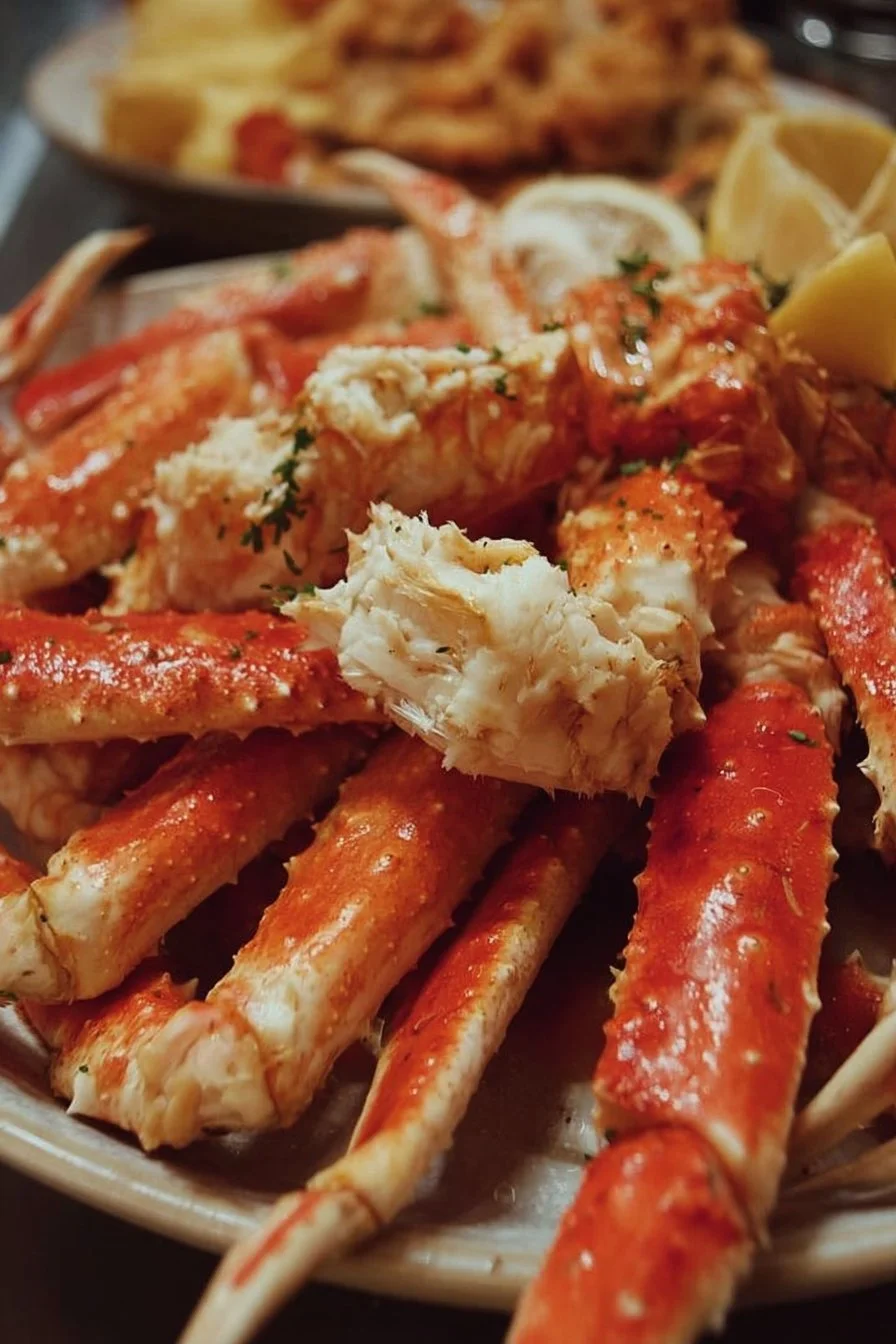
Bright, sweet crab meat with a delicate, slightly briny flavor and a tender, flaky texture — that’s what makes crab legs such a special treat. This recipe keeps things wonderfully simple: steam or boil the legs briefly, then dunk each piece into warm garlic-lemon butter for pure comfort on a plate. It’s fast, celebratory, and perfect for a casual weeknight splurge or a centerpiece at a seafood dinner. Serve with crusty bread or a bright salad and lemon wedges for a fuss-free meal that still feels indulgent. If you love crab-centric appetizers, try a playful twist like crispy crab rangoon egg rolls alongside this dish — they make a fun contrast to the silky crab.
Why You’ll Love This Crab Legs
- Quick: From boiling water to table-ready in under 15 minutes of hands-on time.
- Big flavor with minimal fuss: Sweet crab meat plus buttery garlic and a squeeze of lemon.
- Textural contrast: Tender, flaky meat with crisp shells to crack and dip.
- Crowd-pleasing: Feels festive and special without complicated technique.
- Versatile serving options: Works as a main course, part of a seafood boil, or as an appetizer.
- Simple pantry ingredients: Uses butter, lemon, and garlic powder — nothing exotic required.
- Easily scaled: Double or halve the recipe to feed more or fewer people.
- Comfort food with a refined touch: Homey butter and garlic meet elegant seafood.
What Is Crab Legs?
Crab legs are sections of a crab’s legs (commonly snow crab or king crab in restaurants) that are prepared and sold either fresh or pre-cooked and frozen. In this recipe the legs are cooked briefly in boiling water, which warms them through and keeps the meat tender and moist. The taste is sweet and mildly briny, with a delicate texture that flakes apart easily when cracked open. Crab legs are often served at special meals — dinner parties, holiday gatherings, or seafood nights — but they’re also an easy way to elevate a weeknight meal. The overall vibe here is comfort-meets-celebration: simple, impressive, and absolutely satisfying.

Ingredients for Crab Legs
For the Crab
- 2 pounds of crab legs (about 900 g)
For the Butter Sauce
- 1/2 cup of melted butter (120 ml)
- 1 tablespoon of lemon juice (15 ml)
- 1 teaspoon of garlic powder (5 ml)
- Salt and pepper to taste
For Serving
- Lemon wedges for serving
Ingredient Notes (Substitutions, Healthy Swaps)
- Butter: For a dairy-free option, swap melted butter for an equal amount of vegan spread or light olive oil (note: flavor will be different without butter’s richness).
- Lemon juice: Fresh is best for brightness, but bottled lemon juice will work in a pinch.
- Garlic powder: If you prefer fresh garlic, use 1 clove minced (optional) — the recipe uses garlic powder for consistent flavor. If you use fresh garlic, add it to the melted butter briefly off the heat to soften harshness.
- Salt and pepper: Add sparingly at first; crab meat can have residual saltiness, especially if precooked. Taste the butter mixture and adjust.
- Crab legs: Use snow crab, king crab, or any pre-cooked crab legs available. The recipe works with frozen pre-cooked legs (thaw before heating) or fresh-caught ones.
Step-by-Step Instructions
Follow these 5 straightforward steps to get perfectly heated crab legs and a silky garlic-lemon butter.
Step 1 – Bring a pot of water to a boil
- Fill a large pot about two-thirds full with water and bring it to a rolling boil.
- Visual cue: You should see consistent bubbling across the surface before adding the crab.
Step 2 – Cook the crab legs briefly
- Add the crab legs to the boiling water and cook for about 5–7 minutes until heated through.
- Pro cue: If your legs are very large or frozen solid, add an extra minute or two; avoid overcooking, which can dry out the meat.
- Visual cue: The shells will be bright and hot to the touch; the meat should feel tender when pulled with tongs or fork.
Step 3 – Make the garlic-lemon butter
- In a small bowl, mix the melted butter, lemon juice, garlic powder, and salt and pepper to taste.
- Pro cue: Warm the bowl or keep the butter warm so it stays pourable for dipping. If butter solidifies, briefly reheat gently.
Step 4 – Drain and rest the crab
- Remove the crab legs from the pot and let them drain briefly in a colander or on a paper towel-lined tray.
- Visual cue: Little droplets of water will stop falling; the shells should not be steaming heavily.
Step 5 – Serve hot with butter
- Arrange crab legs on a platter and serve immediately with the garlic butter mixture and lemon wedges on the side.
- Pro cue: Provide nutcrackers or shell crackers and small forks — it makes the experience more enjoyable and easier for guests.
Pro Tips for Success
- Heat control: Keep the water at a gentle rolling boil; an aggressive boil can jostle shells and crack them prematurely.
- Don’t overcook: Crab legs are often pre-cooked when sold. The goal is reheating, not further cooking. 5–7 minutes is usually enough.
- Season the butter last: Add salt a little at a time to the butter, tasting as you go; the crab can contribute saltiness.
- Keep the butter warm: Place the butter sauce in a small pot over low heat or in a warm bowl so it stays liquid for dipping.
- Shell access: Use kitchen shears to cut along the length of the shell before serving for easier access to meat.
- Presentation: Lay lemon wedges around the platter and pour a little extra melted butter into shallow dipping bowls for each guest.
- Safety: If using frozen crab legs, thaw them in the refrigerator overnight for the best texture; avoid microwaving to thaw.
Flavor Variations
All of these are optional — they layer extra flavor without changing the base method or required ingredients.
- Spicy kick (optional): Stir 1/2 teaspoon of cayenne or a few dashes of hot sauce into the garlic butter for heat.
- Herb bright (optional): Add 1 tablespoon chopped fresh parsley or chives to the butter right before serving for freshness.
- Citrus boost (optional): Zest one lemon into the butter for an extra citrus aroma.
- Smoky twist (optional): Sprinkle a pinch of smoked paprika into the butter for a subtle smoky character.
- Buttery garlic deluxe (optional): Swap garlic powder for 1–2 cloves fresh garlic lightly sautéed in the melted butter for a richer garlic flavor.
Note: Keep these optional additions separate so guests can choose their preferred dip.
Serving Suggestions
- Classic side: Steamed or roasted baby potatoes tossed with parsley.
- Veggie pairing: A crisp green salad with lemon vinaigrette to cut the richness.
- Bread: Crusty baguette or grilled sourdough to mop up buttery juices.
- For a spread: Add simple corn on the cob and coleslaw for a relaxed seafood feast.
- Party pairing: Pair with a crispy starter like crispy crab rangoon egg rolls to start the meal.
- Occasion ideas: Great for date-night dinners, family gatherings, summer seafood nights, or holiday menus.
Make-Ahead, Storage & Reheating
- Make-ahead: The garlic-lemon butter can be mixed up to 24 hours in advance and reheated gently before serving.
- Storage time: Store leftover crab meat in an airtight container in the refrigerator for up to 2 days. Keep the butter sauce in a separate container.
- Reheating methods:
- Steaming: Place crab in a steamer basket over simmering water for 3–5 minutes until warmed.
- Oven: Wrap crab legs in foil and heat at 350°F (175°C) for 10–12 minutes.
- Stovetop: Gently warm crab in a covered skillet with a splash of water for a few minutes.
- Texture changes: Refrigerated crab will firm slightly and the texture may be a touch drier than fresh — reheating gently helps preserve tenderness.
Storage and Freezing Instructions
- Freezing: If your crab legs are already frozen when purchased, keep them frozen until you plan to cook. Cooked leftovers can be frozen but texture will change — freezing may make the meat slightly drier upon reheating.
- Recommended approach: For best quality, refrigerate cooked leftovers and consume within 48 hours. If you must freeze, place meat (removed from shells if possible) in a vacuum-sealed bag or airtight container and freeze for up to 2 months.
- Thawing: Thaw frozen crab in the refrigerator overnight; avoid rapid thawing methods that can alter texture.
- Not recommended: Freezing after slow reheating and prolonged refrigeration can further degrade texture; when possible, cook just what you’ll eat and keep extras chilled short-term.
Nutrition Facts (Per Serving)
| Calories | Protein | Carbs | Fat | Fiber | Sodium |
|———|——–|——|—–|——|——-|
| 410 kcal | 45 g | 1 g | 25 g | 0 g | 900 mg |
Nutrition values are estimates and may vary depending on ingredients and portion sizes.
FAQ About Crab Legs
- How do I know when crab legs are done?
- Crab legs sold precooked only need to be heated through. Warm for 5–7 minutes in boiling water; the shell will be hot and the meat tender.
- Can I use frozen crab legs?
- Yes. Thaw overnight in the refrigerator for best results or add a minute or two to the heating time if cooking from semi-frozen.
- My crab meat was rubbery — what went wrong?
- Overcooking is the usual culprit. Crab becomes rubbery when cooked too long. Heat just until warmed through.
- How should I reheat leftovers without drying them out?
- Steam gently for a few minutes or wrap in foil and warm in a moderate oven to preserve moisture.
- Can I make the garlic butter in advance?
- Absolutely. Make it up to 24 hours ahead and reheat gently before serving.
- Is it okay to add salt to the boiling water?
- You can, but taste the crab after heating — crab can be salty already, and you don’t want to over-salt the dish.
Notes
- Serve family-style on a large platter with tools for cracking and small bowls of butter for dipping.
- Small flavor upgrade: a tiny pinch of lemon zest added to the butter right before serving brightens the sauce beautifully.
- For a refined presentation, remove the knuckles and present meat on a bed of crushed ice for chilled service (if you choose to serve chilled).
- If your guests prefer less mess, pre-crack shells along the seams with kitchen shears before arranging on the platter.
- Adjust garlic and lemon to taste — start mild and add more for a stronger flavor punch.
- Leftover butter can be drizzled over steamed vegetables or used to sauté greens for additional use.

Crab Legs with Garlic Lemon Butter
Ingredients
For the Crab
- 2 pounds crab legs Use snow crab, king crab, or any pre-cooked crab legs available.
For the Butter Sauce
- 0.5 cup melted butter For a dairy-free option, use an equal amount of vegan spread or light olive oil.
- 1 tablespoon lemon juice Fresh is best, but bottled will work in a pinch.
- 1 teaspoon garlic powder For fresh garlic, use 1 clove minced instead.
- Salt and pepper to taste Add sparingly, as crab meat may have residual saltiness.
For Serving
- Lemon wedges Serve alongside the crab legs.
Instructions
Preparation
- Bring a pot of water to a boil, filling it about two-thirds full.
- Add the crab legs to the boiling water and cook for about 5–7 minutes until heated through.
- In a small bowl, mix the melted butter, lemon juice, garlic powder, salt, and pepper.
- Remove the crab legs from the pot and let them drain briefly.
- Serve hot with the garlic-lemon butter and lemon wedges on the side.