
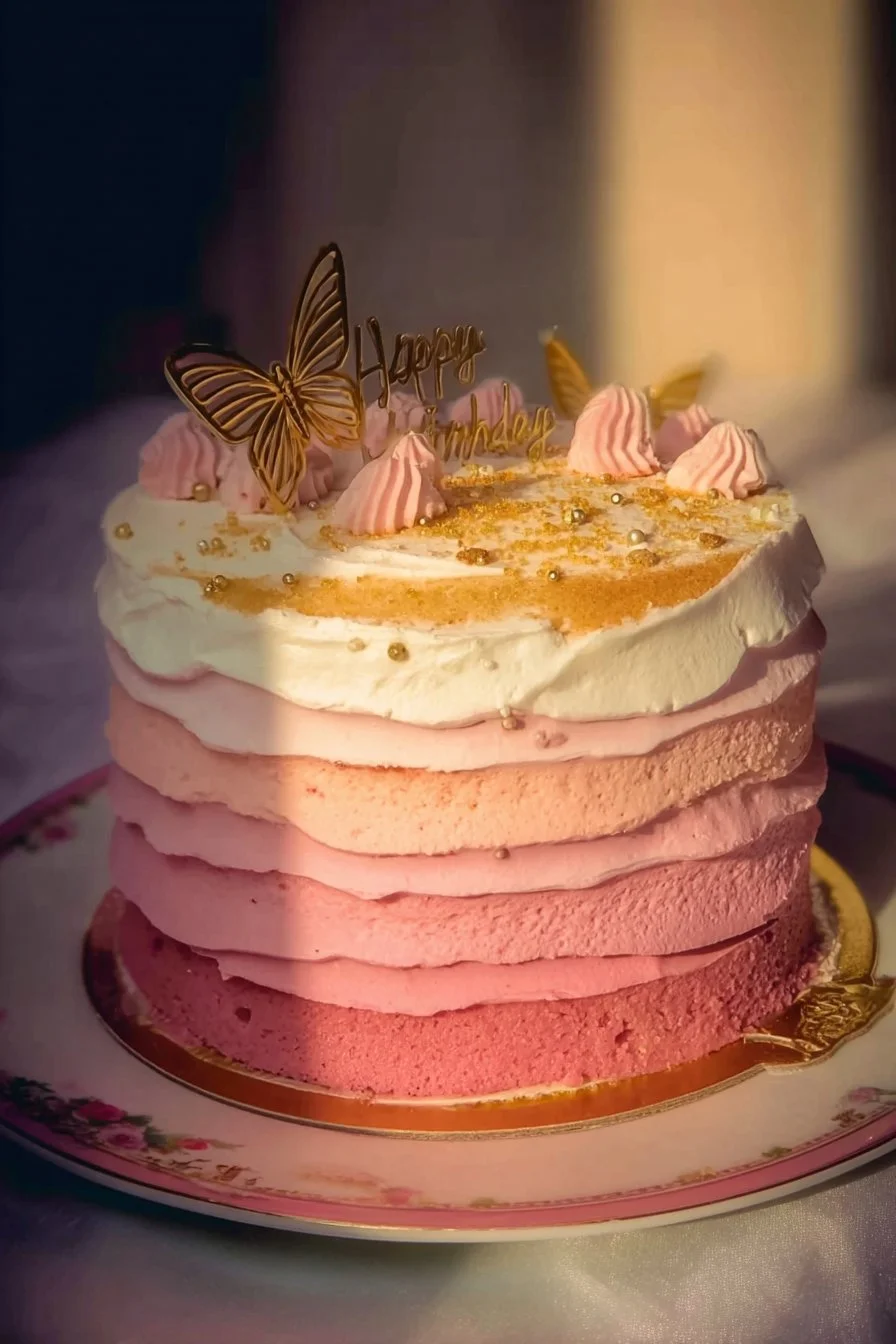
A simple, tender vanilla cake that lives up to its name — soft crumb, just-sweet frosting, and easy techniques that make it a go-to for birthdays, last-minute guests, or a weekend bake. This recipe keeps things classic: creamed butter and sugar, a touch of vanilla, and a reliable bake time so you don’t guess at doneness. It’s the kind of cake you’ll make when you want dependable results without fuss.
Why you’ll love this dish
This cake is straightforward, forgiving, and reliably tender. The method is classic — creaming butter and sugar for aeration, folding dry ingredients gently to keep the crumb light — so even if you don’t bake every week, you’ll still get great results.
“Soft, buttery, and exactly the kind of cake you slice without worrying if it will fall apart.” — a happy tester
Why this works: using room-temperature eggs and butter helps incorporation and lift; switching to buttermilk or adding a splash of oil keeps the crumb moist. Make it for afternoon tea, a casual celebration, or a quick neighbor-dropoff treat.
How this recipe comes together
Before you dive in: you’ll cream butter and sugar, add eggs and vanilla, alternate dry ingredients with milk, pour into a prepared 9-inch pan, and bake until set. Total hands-on time is roughly 20 minutes; bake time about 30–40 minutes. Once cooled, you can slather with a simple buttercream or a glaze.
Quick process overview
- Prep pan and ingredients first so nothing slows you during mixing.
- Cream butter and sugar until pale and fluffy (3–5 minutes).
- Add eggs one at a time, then vanilla.
- Alternate dry mix and milk, fold gently.
- Bake at 350°F (177°C) until a toothpick comes out clean.
- Cool completely before frosting.
What you’ll need
- 1¾ cups (220 g) all-purpose flour (spooned and leveled)
- 1¼ teaspoons baking powder
- ¼ teaspoon baking soda
- ½ teaspoon fine salt
- ¾ cup (170 g) unsalted butter, room temperature
- 1¼ cups (250 g) granulated sugar
- 3 large eggs, room temperature
- 2 teaspoons pure vanilla extract
- ¾ cup (180 ml) whole milk, room temperature (or buttermilk for extra tenderness)
- Optional: 1 teaspoon lemon zest for brightness
Substitutions and notes:
- For a lighter crumb, replace 2 tablespoons of flour with cornstarch.
- To make it dairy-free, use a neutral-tasting non-dairy butter and unsweetened soy or oat milk; texture will differ slightly.
- If you like a subtle tang, use buttermilk in place of milk.
Step-by-step instructions
- Preheat the oven to 350°F (177°C). Grease a 9-inch round pan and line the bottom with parchment; grease the parchment.
- Whisk together flour, baking powder, baking soda, and salt in a bowl. Set aside.
- In a large bowl, beat the butter and sugar on medium speed until pale and fluffy (about 3–5 minutes). Scrape the bowl as needed.
- Add eggs one at a time, mixing after each until incorporated. Stir in vanilla (and lemon zest if using).
- With the mixer on low, add the dry ingredients in three parts, alternating with the milk in two additions: dry—milk—dry—milk—dry. Mix just until combined; do not overmix.
- Pour batter into the prepared pan and smooth the top with a spatula.
- Bake for 30–40 minutes, rotating the pan halfway through. The cake is done when a toothpick inserted near the center comes out clean or with a few moist crumbs, and the top springs back lightly when pressed.
- Cool in the pan on a wire rack for 10 minutes, then run a knife around the edge and invert onto the rack to cool completely before frosting.
If you prefer a simple glaze: mix 1 cup powdered sugar with 1–2 tablespoons milk and ½ teaspoon vanilla until pourable, then drizzle over the cooled cake.
Directions to follow
- Start by checking ingredient temperatures: room-temperature butter and eggs emulsify better and trap air.
- Use a scale if possible — 220 g flour is more reliable than measuring cups.
- If your oven runs hot or cool, use an oven thermometer and adjust as needed.
- When testing for doneness, trust the toothpick and the spring-back test rather than time alone.
Best ways to enjoy it
This cake is versatile: slice it thin for tea, layer it with jam and whipped cream for a quick Victoria-style cake, or top with berries and a dusting of powdered sugar for a light dessert. It’s also perfect for a brunch spread paired with coffee and pancakes — try serving it alongside cinnamon swirl pancakes for a sweet weekend board that gives guests options.
Pairings and plating ideas:
- For an elegant slice: place a smear of berry compote on the plate, a slice of cake, fresh berries, and a mint sprig.
- For kid-friendly serving: top slices with sprinkles and a dollop of whipped cream.
- For celebrations: split into two layers and fill with jam or buttercream.
Storage and reheating tips
Room temperature: Store unfrosted or lightly frosted cake in an airtight container for up to 2 days. Keep away from direct sunlight and heat.
Refrigerator: Fully frosted cake keeps 4–5 days in the fridge in a covered container. Bring to room temperature before serving (about 30–60 minutes) to restore softness.
Freezing: Wrap individual slices tightly in plastic, then foil, and freeze up to 2 months. Thaw overnight in the refrigerator, then bring to room temperature before serving.
Reheating: For a single slice, warm in the microwave for 10–15 seconds (watch to avoid drying). For a whole cake or thicker slices, warm at 300°F (150°C) for 8–10 minutes to refresh texture without melting frosting.
Food safety note: If your frosting contains perishable fillings (custard, fresh cream), keep the cake refrigerated and consume within 2 days.
Pro chef tips
- Cream butter and sugar long enough to get pale color and ribboning — it traps air for lift.
- Don’t overmix once you add flour; overworking develops gluten and tightens the crumb.
- For even baking, use room-temperature ingredients and avoid overfilling the pan.
- If you don’t have buttermilk, make a quick substitute: ¾ cup milk plus ¾ tablespoon lemon juice or vinegar, let sit 5 minutes.
- Want a glossy glaze? Warm it slightly before pouring so it levels smoothly.
- Curious about jelly-based glazes or unusual sauce techniques? A jelly-based approach (using jam or jelly as a base) can be adapted into a simple fruit glaze — here’s a handy example of a jelly-based sauce technique that’s easy to follow: jelly-based sauce method — swap savory seasonings for citrus or vanilla when glazing cakes.
Creative twists
- Lemon-Vanilla: Add 1 tablespoon lemon zest to the batter and a lemon glaze on top.
- Chocolate Swirl: Fold ¼ cup melted dark chocolate into half the batter and layer for a marbled cake.
- Berry Layer Cake: Halve cake, spread with raspberry jam and whipped cream, top with fresh berries.
- Gluten-free: Substitute a 1:1 gluten-free baking mix and add 1 teaspoon xanthan gum if your mix doesn’t contain it.
- Vegan: Use vegan butter, a flax “egg” (1 tbsp ground flax + 3 tbsp water per egg), and non-dairy milk; texture will be denser but still tasty.
Your questions answered
Q: How long does this cake take start to finish?
A: Hands-on time is about 20 minutes. Bake time 30–40 minutes. Cooling and decorating add at least another 30–60 minutes depending on whether you cool completely before frosting.
Q: How can I tell when the cake is done without a toothpick?
A: The cake should pull slightly away from the pan edges and spring back lightly when you press the center with a fingertip. An internal temperature of 200–205°F (93–96°C) indicates doneness for a butter cake.
Q: Can I double the recipe for a layer cake?
A: Yes. Double ingredients and bake in two 9-inch pans, or use larger pans and adjust bake time (watch closely; thicker batter needs more time). Rotate pans for even baking.
Q: Will using oil instead of butter change the cake?
A: Oil yields a moister crumb but less rich flavor and firmer structure. A combination (half butter, half oil) gives moisture and flavor.
Q: Can I make the batter ahead?
A: You can mix the batter and refrigerate it, covered, for up to 24 hours. Let it come to room temperature before baking for even rise.
Q: Is this cake freezer-friendly?
A: Yes — freeze unfrosted slices (or whole cake wrapped tightly) up to 2 months. Thaw in the fridge before bringing to room temperature for serving.
If you want a printable checklist or a scaled-up version for a crowd, tell me how many servings you need and I’ll adjust the ingredient amounts and bake times.
Tender Vanilla Cake
Ingredients
Dry Ingredients
- 1¾ cups all-purpose flour, spooned and leveled For a lighter crumb, replace 2 tablespoons of flour with cornstarch.
- 1¼ teaspoons baking powder
- ¼ teaspoon baking soda
- ½ teaspoon fine salt
Wet Ingredients
- ¾ cup unsalted butter, room temperature For best results, use room temperature.
- 1¼ cups granulated sugar
- 3 large eggs, room temperature
- 2 teaspoons pure vanilla extract
- ¾ cup whole milk, room temperature Or buttermilk for extra tenderness.
- 1 teaspoon lemon zest (optional) Adds brightness to the cake.
Instructions
Preparation
- Preheat the oven to 350°F (177°C). Grease a 9-inch round pan and line the bottom with parchment; grease the parchment.
- Whisk together flour, baking powder, baking soda, and salt in a bowl. Set aside.
- In a large bowl, beat the butter and sugar on medium speed until pale and fluffy (about 3–5 minutes). Scrape the bowl as needed.
- Add eggs one at a time, mixing after each until incorporated. Stir in vanilla (and lemon zest if using).
- With the mixer on low, add the dry ingredients in three parts, alternating with the milk in two additions: dry—milk—dry—milk—dry. Mix just until combined; do not overmix.
- Pour batter into the prepared pan and smooth the top with a spatula.
Baking
- Bake for 30–40 minutes, rotating the pan halfway through. The cake is done when a toothpick inserted near the center comes out clean or with a few moist crumbs, and the top springs back lightly when pressed.
- Cool in the pan on a wire rack for 10 minutes, then run a knife around the edge and invert onto the rack to cool completely before frosting.
Frosting
- For a simple glaze: mix 1 cup powdered sugar with 1–2 tablespoons milk and ½ teaspoon vanilla until pourable, then drizzle over the cooled cake.