
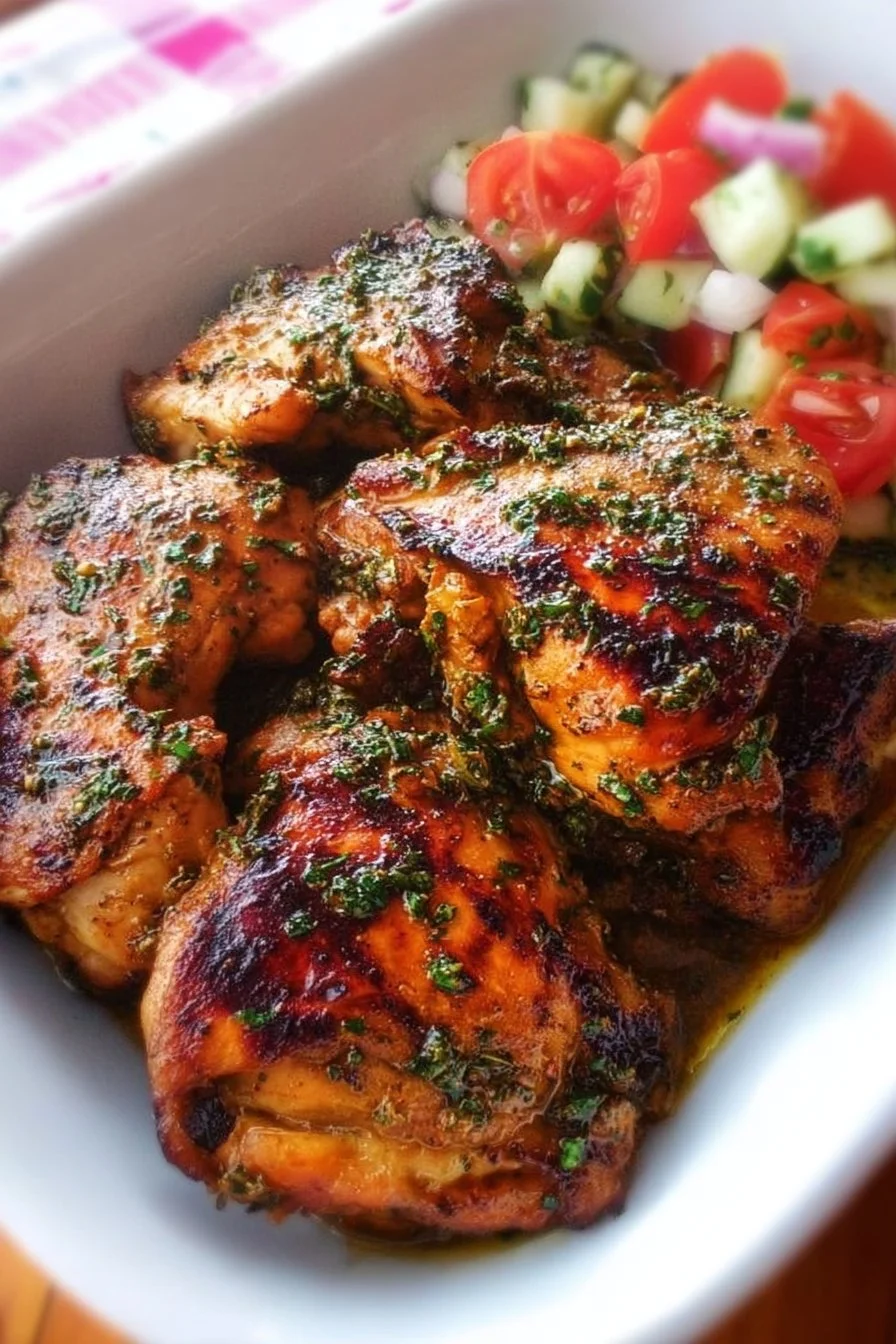
There’s something irresistible about chicken that’s been bathed in a bright, balanced marinade — savory soy, zesty lemon, sweet honey and a kiss of garlic, all rounded out by olive oil for a glossy finish. The result is juicy, tender breasts with a lightly caramelized exterior and a glossy, flavorful crust when grilled or roasted. This Marinated Chicken is deceptively simple yet feels special enough for weeknight dinners and casual weekend gatherings alike. Serve it sliced over a salad, tucked into warm flatbreads, or alongside roasted vegetables for an easy, crowd-pleasing meal. If you want another easy, flavor-forward weeknight idea, try our 30-minute street corn chicken rice bowl for a different vibe.
Why You’ll Love This Marinated Chicken
- Bold, balanced flavor: salty soy and bright lemon play off sweet honey and garlic for a well-rounded profile.
- Tender, juicy texture: the marinade helps keep chicken breasts from drying out while it infuses flavor.
- Super simple: only a handful of pantry staples and one bowl needed for the marinade.
- Versatile cooking: grill or roast depending on weather and equipment — both yield great results.
- Time-friendly: active prep is minimal; most of the work happens while the chicken marinates.
- Crowd-pleasing: mild, familiar flavors appeal to picky eaters and adventurous palates alike.
- Make-ahead friendly: marinate overnight for deeper flavor or prep in the morning for dinner.
- Great for meal prep: cooked chicken keeps well and can be used in salads, sandwiches, and bowls.
What Is Marinated Chicken?
Marinated chicken is simply chicken that has been soaked in a flavorful liquid before cooking. In this version, the marinade is a bright combination of olive oil, soy sauce, garlic, honey, lemon juice, salt, and pepper. The soy adds savory umami and salt, honey brings a touch of sweetness and helps with browning, lemon juice adds acidity to tenderize and brighten, and garlic lends aromatic depth.
Taste: expect a savory-sweet profile with citrusy brightness and a subtle garlicky backbone. Texture: the breasts will be juicy and tender with a lightly glazed exterior after cooking.
Cooking method: this recipe works on either the grill for that smoky, charred finish or in the oven for an easy, hands-off approach. When to serve: it’s perfect for busy weeknights, casual dinner parties, or meal-prep lunches. Overall vibe: simple comfort food with a slightly elevated, restaurant-style finish.
Ingredients for Marinated Chicken
For the Marinade
- Olive oil
- Soy sauce
- Garlic (minced)
- Honey
- Lemon juice
- Salt
- Pepper
For the Chicken
- Chicken breasts
Ingredient Notes (Substitutions, Healthy Swaps)
- Soy sauce: Use low-sodium soy sauce to reduce salt, or substitute tamari (gluten-free) if you need a gluten-free option.
- Honey: For a lower-sugar option, use a smaller amount of honey or omit entirely and increase lemon slightly for brightness. Note: removing honey will reduce browning.
- Olive oil: Any neutral oil (canola, vegetable) can be used if you prefer a lighter flavor.
- Garlic: If you don’t have fresh garlic, a small pinch of garlic powder works; use less because powder is more concentrated.
- Lemon juice: Bottled lemon juice is fine in a pinch, but fresh gives a brighter flavor.
- Salt & pepper: Taste the marinade and adjust; soy sauce adds salt, so start light on added salt.
- Chicken breasts: If you only have bone-in or skin-on breasts, cooking times will vary — cook to the appropriate internal temperature.
Step-by-Step Instructions
Step 1 – Whisk the Marinade
In a bowl, whisk together olive oil, soy sauce, minced garlic, honey, lemon juice, salt, and pepper.
Visual cue: The mixture should look cohesive with honey fully incorporated and a slightly glossy sheen.
Pro cue: Taste a small spoonful (use caution — it’s salty) and adjust lemon or honey to balance bright acidity and sweetness.Step 2 – Combine Chicken and Marinade
Place the chicken breasts in a resealable bag or shallow dish and pour the marinade over them.
Visual cue: Each breast should be coated; the marinade will pool around the chicken.
Pro cue: Flatten breasts to even thickness if needed so they cook evenly.Step 3 – Marinate
Seal the bag or cover the dish and refrigerate for at least 1 hour, or overnight for best results.
Visual cue: The chicken will take on a slightly darker color where the soy sauce contacts the meat.
Pro cue: For maximum flavor, aim for 4–8 hours; overnight gives the deepest penetration.Step 4 – Preheat Your Cooking Surface
Preheat the grill or oven.
Visual cue: Grill grates should be hot; oven should reach a moderate-high temperature so chicken browns without drying.
Pro cue: If grilling, oil the grates lightly to prevent sticking. If baking, place on a foil-lined sheet for easier cleanup.Step 5 – Remove and Discard Marinade
Remove chicken from the marinade and discard the marinade.
Visual cue: Pat the breasts lightly with paper towel for better browning.
Pro cue: Don’t reuse marinade unless you boil it first to kill bacteria.Step 6 – Cook the Chicken
Cook chicken on the grill or in the oven until fully cooked, about 6–8 minutes per side depending on thickness.
Visual cue: Chicken should reach a light golden-brown exterior and have clear juices when pierced.
Pro cue: Use an instant-read thermometer — target 165°F (74°C) in the thickest part of the breast.Step 7 – Rest and Serve
Let rest for a few minutes before serving.
Visual cue: The meat will relax and juices will redistribute, making slices look moist.
Pro cue: Rest 5 minutes; tent with foil if you need to keep warm.
Pro Tips for Success
- Even thickness: Pound thicker parts of breasts to an even thickness so all pieces finish at the same time.
- Temperature control: Grill over medium-high heat for a quick sear, then move to indirect heat if needed to finish without burning.
- Don’t over-salt: Since soy sauce contributes salt, add extra table salt sparingly.
- Pat dry: For best browning, remove excess marinade and pat chicken dry before cooking.
- Use a thermometer: Rely on an instant-read thermometer for perfect doneness at 165°F (74°C).
- Rest the meat: Always rest cooked chicken a few minutes before slicing to retain juices.
- Clean marinade rule: Never use leftover raw marinade as a sauce unless boiled for several minutes.
Flavor Variations (Optional)
- Spicy Honey-Lemon (optional): Add a pinch of red pepper flakes or a small amount of sriracha to the marinade for heat while keeping the base flavors intact.
- Herb Brightness (optional): Stir in a small handful of chopped fresh herbs like parsley or cilantro after cooking for freshness.
- Extra Garlic (optional): Increase the garlic if you love a stronger garlicky punch — but be mindful of raw garlic’s sharpness in the marinade.
- Lighter Citrus (optional): Replace half the lemon juice with a splash of orange juice for a subtler citrus sweetness.
- Reduced-Sodium (optional): Use low-sodium soy sauce and omit added salt to keep sodium levels down without losing umami.
Serving Suggestions
- Sliced over a simple green salad with a lemon vinaigrette for a light, balanced meal.
- Served with steamed rice and roasted vegetables for a classic weeknight dinner.
- Shredded and tucked into warm tortillas or flatbreads with crisp slaw for easy sandwiches.
- Paired with grilled corn and a buttered potato for a heartier plate.
- Chopped into grain bowls alongside quinoa or farro and your favorite pickled vegetables.
- For another bold, saucy chicken option, consider the flavorful profile of our air fryer bang bang chicken as a complementary meal idea.
Make-Ahead, Storage & Reheating
- Make-ahead: The marinade can be mixed and stored in the fridge for up to 24 hours before adding the chicken. Chicken can marinate up to overnight for best flavor.
- Refrigerator storage: Cooked chicken breasts keep well in an airtight container in the refrigerator for 3–4 days.
- Reheating methods:
- Oven: Reheat at 300°F (150°C) covered with foil until warmed through to avoid drying.
- Stovetop: Reheat gently in a skillet with a splash of water or stock over low heat, covered.
- Microwave: Use short bursts and cover to retain moisture; flip halfway through.
- Texture changes: Refrigerated and reheated chicken can be slightly drier than freshly cooked; reheat gently and consider slicing thinly to mask slight dryness.
Storage and Freezing Instructions
- Freezing raw marinated chicken: You can freeze the chicken in its marinade in a sealed freezer bag for up to 2 months. Thaw in the refrigerator before cooking and discard any thawed marinade that contacted raw meat.
- Freezing cooked chicken: Cooked chicken freezes well for up to 2–3 months in an airtight container or freezer bag. Thaw overnight in the refrigerator before reheating.
- If freezing isn’t ideal: If you prefer not to freeze, cook the chicken and refrigerate for use within 3–4 days, or consider prepping components (marinade separate) and cooking fresh.
Nutrition Facts (Per Serving)
| Calories | Protein | Carbs | Fat | Fiber | Sodium |
|———|——–|——|—–|——|——-|
| 320 kcal | 35 g | 10 g | 12 g | 0 g | 600 mg |
Nutrition values are estimates and may vary depending on ingredients and portion sizes.
FAQ About Marinated Chicken
Q: How long should I marinate chicken for maximum flavor?
A: At least 1 hour, but 4–8 hours or overnight yields the best flavor penetration without compromising texture.
Q: My chicken turned out dry — what went wrong?
A: Likely overcooked. Use an instant-read thermometer and remove at 165°F (74°C). Also, patting the chicken dry before searing helps form a quick crust.
Q: Can I reuse the marinade as a sauce?
A: Not raw. If you want to use it as a sauce, boil it for several minutes to destroy any bacteria from the raw chicken.
Q: Is this safe for gluten-free diets?
A: Use tamari or a certified gluten-free soy sauce as a substitute to make it gluten-free.
Q: How can I tell when the chicken is done without a thermometer?
A: Cut into the thickest part — juices should run clear and there should be no pink in the center. A thermometer is the most reliable method.
Q: Can I use bone-in or skin-on chicken breasts?
A: Yes, but cooking times will be longer. Ensure the thickest part reaches 165°F (74°C) and adjust cooking time accordingly.
Notes
- Slicing tip: Slice chicken against the grain for the most tender bites.
- Flavor boost: Right before serving, squeeze a little extra lemon juice for a fresh lift.
- Caramelization: For more glaze, briefly brush cooked chicken with a small spoonful of honey and return to the heat to caramelize slightly.
- Presentation: Garnish with thin lemon slices or a sprinkle of freshly cracked black pepper for visual appeal.
- Adjust salt carefully: Since soy sauce is salty, taste the marinade before adding extra salt.
- Leftover ideas: Dice leftovers into salads, wraps, or grain bowls for quick lunches.
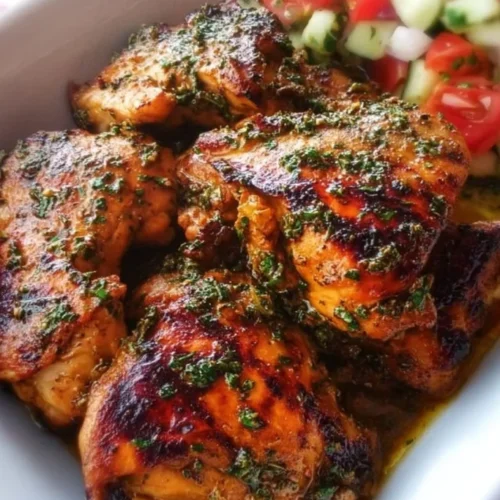
Marinated Chicken
Ingredients
For the Marinade
- 1/4 cup Olive oil Any neutral oil can be used.
- 1/4 cup Soy sauce Use low-sodium or tamari for gluten-free.
- 3 cloves Garlic (minced) Can substitute with garlic powder.
- 2 tablespoons Honey Adjust for lower sugar if needed.
- 1 tablespoon Lemon juice Fresh gives better flavor.
- 1 teaspoon Salt Adjust based on taste.
- 1/2 teaspoon Pepper
For the Chicken
- 4 pieces Chicken breasts Bone-in or skin-on can be used but adjust cooking time.
Instructions
Preparation
- In a bowl, whisk together olive oil, soy sauce, minced garlic, honey, lemon juice, salt, and pepper until cohesive.
- Place the chicken breasts in a resealable bag or shallow dish and pour the marinade over them. Ensure each breast is coated evenly.
- Seal the bag or cover the dish and refrigerate for at least 1 hour, preferably overnight for deeper flavor.
Cooking
- Preheat the grill or oven to medium-high.
- Remove chicken from the marinade, discarding the marinade.
- Cook chicken on the grill or in the oven for about 6–8 minutes per side or until fully cooked (target temperature of 165°F or 74°C).
Serving
- Let the chicken rest for a few minutes before slicing to allow juices to redistribute.