
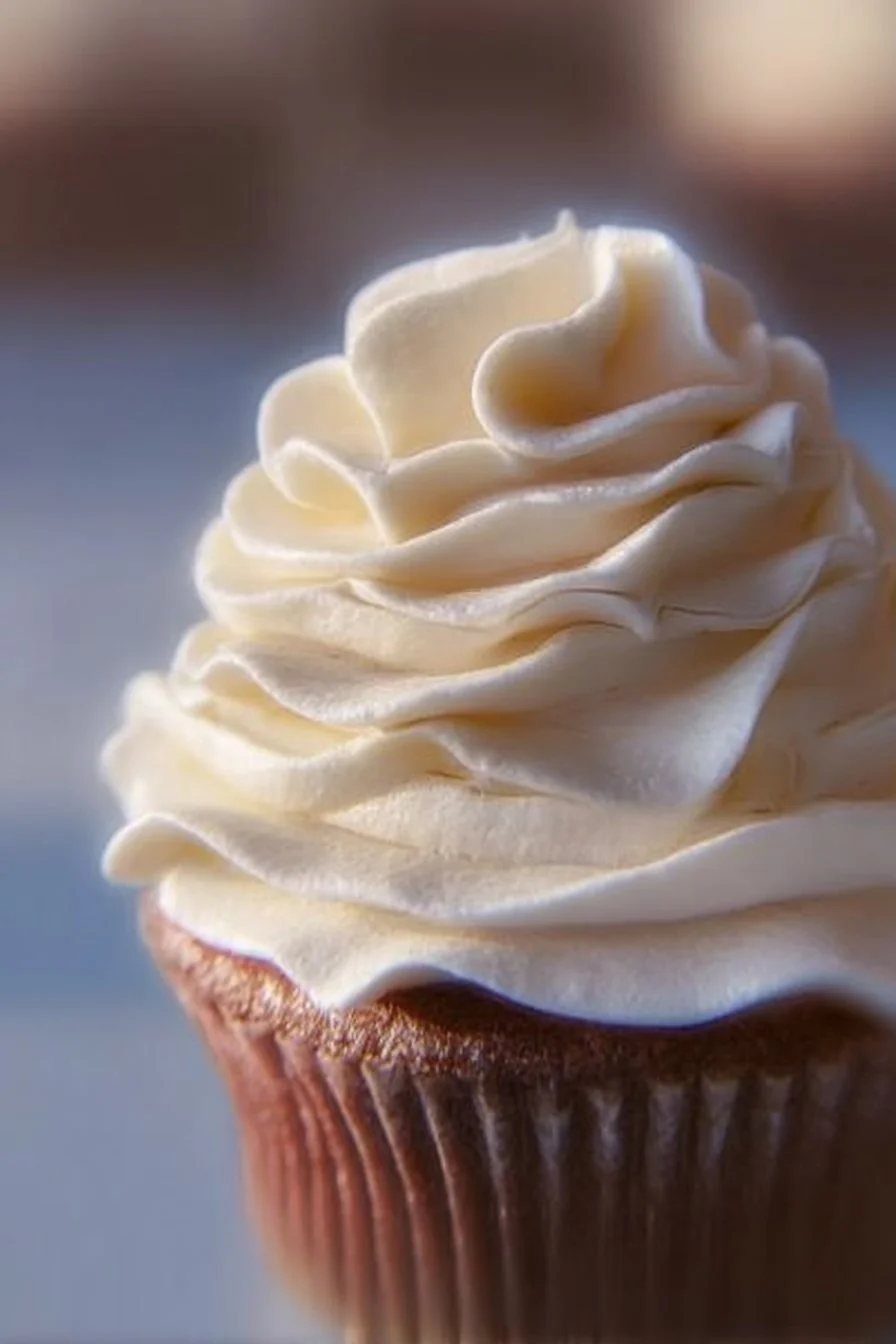
This silky, classic Vanilla American Buttercream frosting is the kind of sweet, fluffy finish that makes any cake or cupcake feel celebratory. It’s sweet but not cloying, with a creamy mouthfeel and a bright vanilla lift that pairs beautifully with chocolate, lemon, or a plain yellow cake. The texture is light and pipeable, yet sturdy enough for layered cakes and decorative swirls. It’s an easy, comforting recipe you can whip up in minutes with pantry staples — perfect for last-minute dessert upgrades or weekend baking projects. For the printable recipe details and exact measurements, you can visit the full recipe page.
Why You’ll Love This Vanilla American Buttercream Frosting
- Classic, familiar vanilla flavor everyone loves — not fussy, just reliable.
- Luxuriously light and fluffy texture that’s easy to spread or pipe.
- Quick to make with a hand mixer or stand mixer — about 10 minutes from start to finish.
- Uses pantry staples: butter, powdered sugar, milk or cream, and vanilla.
- Versatile: tint it with food coloring or use it to fill and frost layer cakes, cupcakes, or cookies.
- Sturdy enough for simple decorating but still soft enough for creamy bites.
- Easy to adjust consistency for piping, spreading, or coating.
- Comforting and crowd-pleasing — great for birthdays, holidays, and casual gatherings.
What Is Vanilla American Buttercream Frosting?
Vanilla American Buttercream is a classic butter-and-sugar frosting made by whipping softened butter with powdered sugar and vanilla till it’s light and airy. It tastes sweet and buttery with a clear vanilla aroma; the powdered sugar gives it smooth sweetness while the butter adds richness and silkiness. This frosting is made by creaming, mixing, and whipping — no cooking required — so it’s approachable for bakers at any level. People typically use it to frost layer cakes, pipe borders and rosettes on cupcakes, or sandwich between cake layers. The overall vibe is cozy and celebratory — think family birthday cakes, Sunday baking, and approachable party desserts.
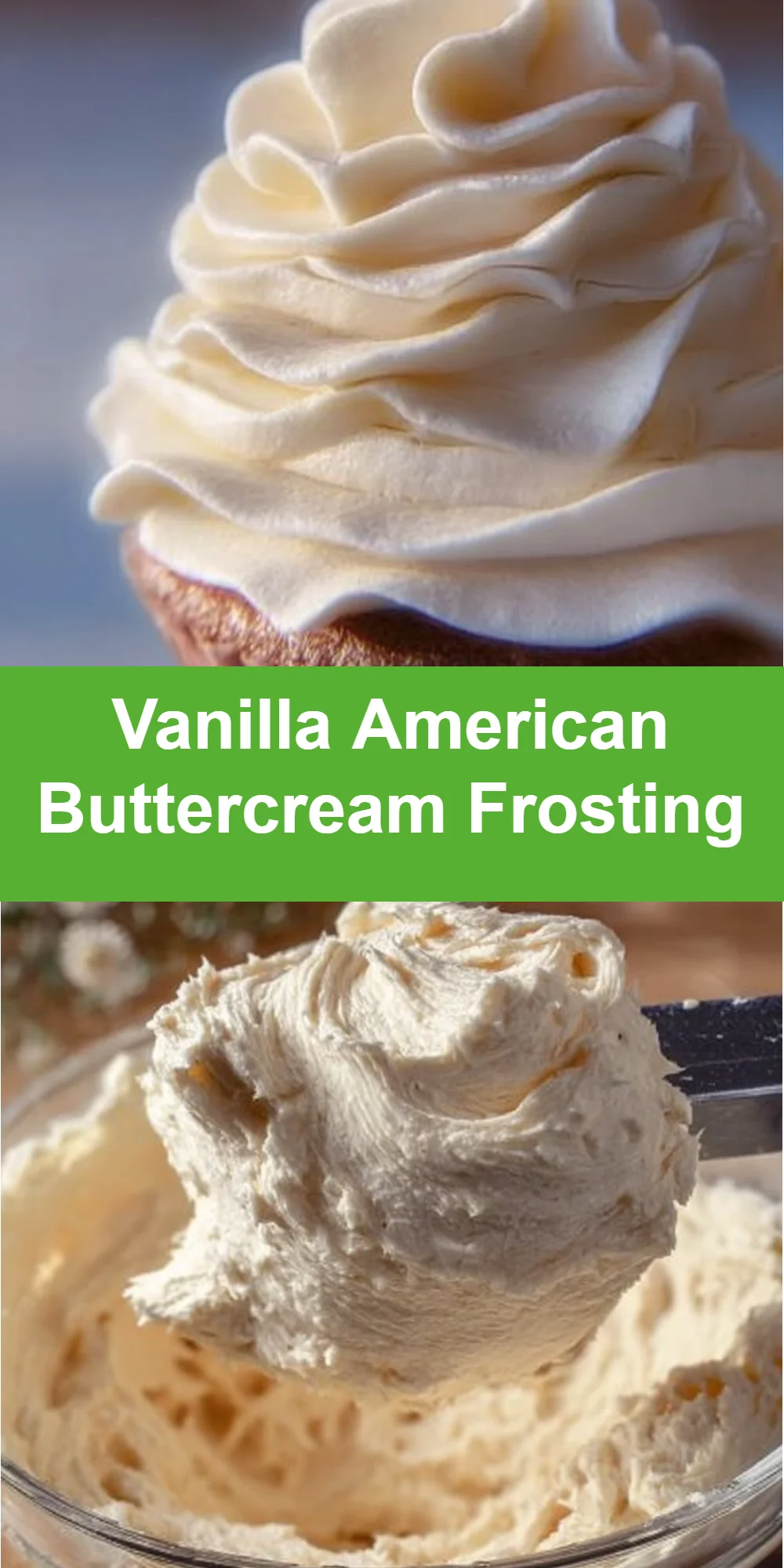
Ingredients for Vanilla American Buttercream Frosting
For the Base
- 1 cup unsalted butter (2 sticks), softened
- 16 oz powdered sugar (1 pound, about 3.5–4 cups)
- 2 tsp vanilla extract
- Pinch of salt (optional)
For Adjusting Consistency (optional)
- 1–2 tbsp milk or heavy whipping cream (up to 1/4 cup), optional — add only if needed
Ingredient Notes (Substitutions, Healthy Swaps)
- Butter: Unsalted is specified so you can control salt; if you only have salted butter, omit the pinch of salt and taste before adding any extra.
- Powdered sugar: Also called confectioners’ sugar — if it’s clumpy, sift before using for the smoothest frosting. Do not replace with granulated sugar (texture will be grainy).
- Vanilla: Pure vanilla extract offers the best flavor; imitation vanilla works in a pinch but the flavor won’t be as bright.
- Milk/cream: Use milk for a lighter option or heavy cream for extra richness; add sparingly to avoid thinning the frosting too much.
- Dairy-free swap (optional): Use a high-quality vegan butter stick and a dairy-free milk (e.g., almond or oat) to mimic the texture — results are similar but slightly different in flavor.
- Lower-fat option (optional): Reduce the butter slightly and add a splash more milk, but note the frosting will be less rich and slightly softer.
- Gluten-free: This recipe is naturally gluten-free as written (check your powdered sugar for cross-contamination if needed).
Step-by-Step Instructions
Step 1 – Soften and prep the butter
Let the butter come to room temperature so it’s soft but still cool to the touch. This makes creaming smooth and prevents greasy frosting.
Visual cue: The butter should lose its shape when pressed but not be melty.Step 2 – Cream the butter
Using a hand-held mixer or stand mixer fitted with the paddle or whisk attachment, beat the softened butter on medium-high until pale yellow and fluffy, about 4–5 minutes. Scrape down the sides of the bowl halfway through to ensure even mixing.
Visual cue: Butter will look visibly paler and airy; it should increase slightly in volume.
Pro cue: If your butter gets too warm and looks greasy, chill the bowl for 10–15 minutes then continue mixing.Step 3 – Add powdered sugar and vanilla
Turn the mixer off and add the powdered sugar and vanilla. Mix on low for about a minute until the sugar incorporates and the mixture begins to look crumbly.
Visual cue: The mix will clump together into a coarse, sandy texture before smoothing out.Step 4 – Whip until light and fluffy
Once the sugar is incorporated, increase the mixer speed to medium–medium-high and beat for about 3–4 minutes until the frosting becomes light, silky, and fluffy. Taste and add a pinch of salt if desired to balance the sweetness.
Visual cue: Frosting should be smooth and hold soft peaks; it will lighten in color.Step 5 – Adjust consistency as needed
Gauge the consistency. If the frosting is too thick for spreading or piping, add 1/2 tablespoon of milk or heavy cream at a time, mixing after each addition, until you reach the desired texture (up to 1–2 tablespoons; reserve up to 1/4 cup as needed).
Pro cue: For stiffer piping (e.g., for tall borders), keep the frosting thicker by refrigerating briefly; for fine detail work, use a slightly thicker consistency and a small piping tip.
Pro Tips for Success
- Always start with room-temperature butter — too cold and it won’t cream properly, too warm and the frosting will be greasy.
- Sift the powdered sugar if it’s lumpy to keep the frosting silky smooth.
- Mix low at first when adding powdered sugar to avoid a cloud of sugar dust in your kitchen.
- Scrape the bowl and paddle frequently for even mixing — pockets of unmixed sugar will give you gritty spots.
- If your frosting becomes too loose, pop it in the fridge for 10–15 minutes, then rewhip to firm it up.
- Taste and add a tiny pinch of salt to cut through sweetness if the frosting tastes overly sugary.
- For clean piping lines, chill the frosting slightly so it holds sharper edges.
Flavor Variations (Optional)
- Lemon-Vanilla: Add 1–2 teaspoons lemon zest and 1/2 teaspoon fresh lemon juice for a bright citrus lift. (Add liquid sparingly.)
- Browned-Butter Vanilla: Brown the butter, cool completely, then whip — adds a toasty, nutty depth (still keep amounts the same).
- Coffee-Infused: Dissolve 1/2 teaspoon instant espresso in 1/2 teaspoon warm milk and add to the frosting for a subtle mocha note.
- Cocoa Buttercream (Optional): Add 2–3 tablespoons unsweetened cocoa powder sifted in with the powdered sugar for a chocolate twist — may need extra milk to adjust consistency.
- Lighter Vanilla: Use 1/2 cup butter + 1/4 cup neutral-flavored Greek yogurt (chilled) for slightly tangier, lower-fat frosting — note texture will be softer.
Serving Suggestions
- Frost a classic vanilla or chocolate layer cake and smooth the top for a clean, elegant finish. For a bakery-style pairing, try it on a yellow cake.
- Pipe generous swirls on cupcakes; this buttercream holds shapes well for rosettes and stars.
- Use as a filling for chocolate sandwich cookies or as a layer between thin sponge cakes for petit fours.
- Dollop onto warm fruit desserts — a spoonful melting over berry cobbler is heavenly.
- Pair with denser cakes (like pound cake) to add a light, sweet contrast; for pairing inspiration, this frosting is especially nice with a Costco-style vanilla cake copycat.
- Create a simple cake-tray dessert by spreading a thin layer across sheet cake and decorating with sprinkles for parties.
Make-Ahead, Storage & Reheating
- Make-ahead: The frosting can be made up to 48 hours ahead and stored in an airtight container in the refrigerator. Bring it to room temperature and rewhip with a mixer before using to restore fluffiness.
- Refrigeration: Store in an airtight container for up to 5 days. Keep the container sealed to prevent absorption of fridge odors.
- Reheating: Do not heat this frosting on the stove or microwave directly — if it becomes too firm after refrigeration, bring it to room temperature and beat it on medium speed until smooth. If it’s slightly separated or greasy, chilling briefly and then rewhipping usually helps.
- Texture changes: Refrigeration can make the buttercream firm and slightly less airy; rewhipping revives the texture.
Storage and Freezing Instructions
- Freezing: This buttercream freezes reasonably well. Place in an airtight container or freezer bag, pressing out excess air, and freeze for up to 3 months.
- Thawing: Thaw overnight in the refrigerator, then bring to room temperature and beat with a mixer until smooth and fluffy. You may need to add a splash of milk or cream (1/2 teaspoon at a time) if the texture is a bit stiff.
- Not recommended to freeze already-piped decorations (they can lose shape); instead, freeze unfrosted cakes or cupcakes and frost after thawing for best presentation.
Nutrition Facts (Per Serving)
| Calories | Protein | Carbs | Fat | Fiber | Sodium |
|———|——–|——|—–|——|——-|
| 150 kcal | 0.3 g | 19 g | 11 g | 0 g | 25 mg |
Nutrition values are estimates and may vary depending on ingredients and portion sizes.
FAQ About Vanilla American Buttercream Frosting
Q: Why is my buttercream grainy?
A: Graininess usually comes from unmixed powdered sugar or cold butter. Sift the sugar and ensure butter is fully softened before creaming.Q: How can I make the frosting less sweet?
A: Add a tiny pinch of salt to balance sweetness, or fold in a small amount of unsweetened whipped cream for a lighter, less sweet texture (note this alters structure slightly).Q: My frosting is too thin — how do I thicken it?
A: Chill the frosting for 10–20 minutes and then rewhip. If still thin, add more powdered sugar 1/4 cup at a time until desired consistency is reached.Q: Can I pipe intricate decorations with this frosting?
A: Yes — for sharper piping, keep the frosting slightly stiffer and chill briefly. For very fine detail, use a smaller tip and firmer consistency.Q: How long does it last at room temperature on a cake?
A: If your environment is cool (under 70°F / 21°C), it’s generally fine for several hours at a party. In warm conditions, refrigerate until serving time to prevent softening.Q: Can I use this frosting between cake layers?
A: Absolutely. It’s a classic choice for filling and frosting layered cakes — just ensure cake and frosting are stable and chill before stacking tall layers.
Notes
- For glossy, professional-looking frosting, finish with a flat spatula and then chill for 15 minutes before serving.
- Small flavor upgrade: stir in the seeds of half a vanilla bean along with the extract for real-speckled vanilla flavor.
- If piping colorful designs, use gel food coloring to avoid watering down the frosting. Add color a tiny bit at a time and mix thoroughly.
- For the cleanest edges on layer cakes, apply a crumb coat, chill 15–20 minutes, then apply the final coat of buttercream.
- When transporting a frosted cake, chill it first so the buttercream firms up and is less likely to shift.
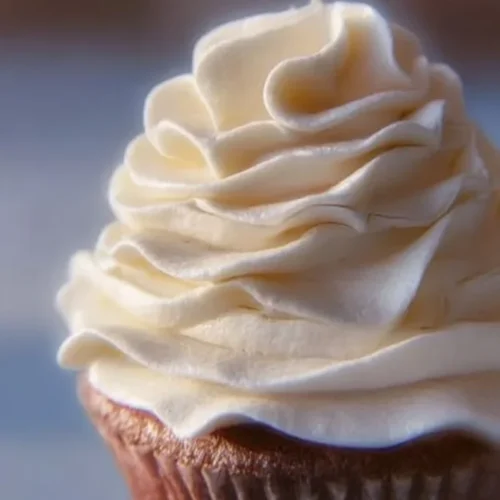
Vanilla American Buttercream Frosting
Ingredients
For the Base
- 1 cup unsalted butter (2 sticks), softened Ensure the butter is at room temperature.
- 16 oz powdered sugar (1 pound, about 3.5–4 cups) Sift if clumpy for a smooth frosting.
- 2 tsp vanilla extract Use pure vanilla for best flavor.
- Pinch of salt (optional) Omit if using salted butter.
For Adjusting Consistency (optional)
- 1–2 tbsp milk or heavy whipping cream (up to 1/4 cup), optional Add as needed to adjust consistency.
Instructions
Preparation
- Soften the butter by letting it come to room temperature until it is soft but still cool to the touch.
- Using a hand-held mixer or stand mixer, beat the softened butter on medium-high for about 4–5 minutes until pale yellow and fluffy.
- Turn off the mixer and add the powdered sugar and vanilla, mixing on low for about a minute until the sugar incorporates.
- Increase the speed to medium and beat for about 3–4 minutes until the frosting becomes light, silky, and fluffy.
- If the frosting is too thick, add 1/2 tablespoon of milk or cream at a time, mixing after each addition until the desired texture is reached.